The Art of Agriculture

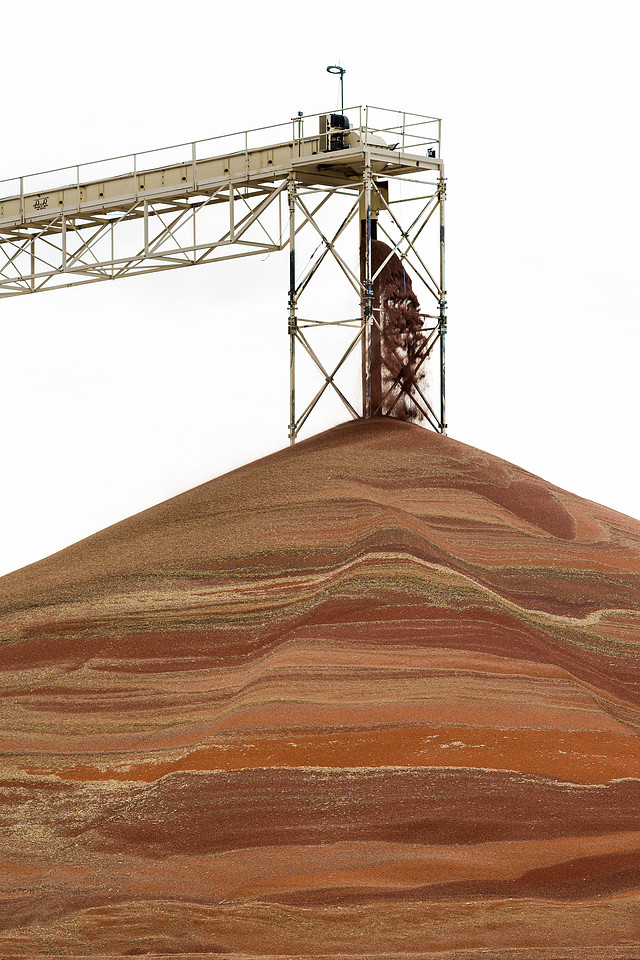 Seirer_171021_0457.jpgThe Art of Agriculture Newly harvested grain sorghum, in a wide variety of colors, creates a mosaic art form as it is added to a storage pile at the Cargill Inc. grain elevator east of WaKeeney, Kan. Grain sorghum is an ancient crop, originating in Africa and India some 8,000 years ago, and as a result infinite varieties — and colors — are available. In Kansas, which is the leading sorghum producing state in the nation, darker colors predominate — red, bronze and orange among them. In the United States, sorghum is primarily fed to livestock, although it also is used in ethanol production. But in other parts of the world, sorghum is a food staple and the colors of those varieties tend to be lighter, including white, cream and tan. Sorghum, also called milo, is ideally suited for much of dryland Kansas as it offers drought tolerance and high yield, and its grain packs high energy. Each of the heads typically contains about 1,000 round seeds. When Cargill turns off the tap to this pile it will contain about 1 million bushels, or about 56 million pounds of grain. From here it will travel by rail and truck to its ultimate destinations, including the feedlots of western Kansas.
Newly harvested grain sorghum, in a wide variety of colors, creates a mosaic art form as it is added to a storage pile at the Cargill Inc. grain elevator east of WaKeeney, Kan. Grain sorghum is an ancient crop, originating in Africa and India some 8,000 years ago, and as a result infinite varieties — and colors — are available. In Kansas, which is the leading sorghum producing state in the nation, darker colors predominate — red, bronze and orange among them. In the United States, sorghum is primarily fed to livestock, although it also is used in ethanol production. But in other parts of the world, sorghum is a food staple and the colors of those varieties tend to be lighter, including white, cream and tan. Sorghum, also called milo, is ideally suited for much of dryland Kansas as it offers drought tolerance and high yield, and its grain packs high energy. Each of the heads typically contains about 1,000 round seeds. When Cargill turns off the tap to this pile it will contain about 1 million bushels, or about 56 million pounds of grain. From here it will travel by rail and truck to its ultimate destinations, including the feedlots of western Kansas.
|
January
(2)
February (2)
(9)
March (9)
(17)
April (17)
(13)
May (13)
(9)
June (9)
(9)
July (9)
(13)
August (13)
(4)
September (4)
(6)
October (6)
(7)
November (7)
(2)
December (2)
|
(3)
January (3)
(4)
February (4)
(2)
March (2)
(11)
April (11)
(13)
May (13)
June
July
(5)
August (5)
(7)
September (7)
(7)
October (7)
(12)
November (12)
(4)
December (4)
|
(2)
January (2)
(6)
February (6)
(9)
March (9)
(6)
April (6)
(5)
May (5)
(6)
June (6)
(5)
July (5)
August
(1)
September (1)
(2)
October (2)
(3)
November (3)
December
|
January
(3)
February (3)
March
April
(2)
May (2)
June
July
August
September
October
November
December
|
January
February
March
April
May
June
July
August
September
October
November
December
|
January
February
March
April
May
June
July
August
September
October
November
December
|
January
February
March
April
May
June
July
August
September
October
November
December
|
January
February
March
April
May
June
July
August
September
October
November
December
|
January
February
March
April
May
June
July
August
September
October
November
December
|
January
February
March
April
May
June
July
August
September
October
November
December
|