Heaven Found

May 02, 2018

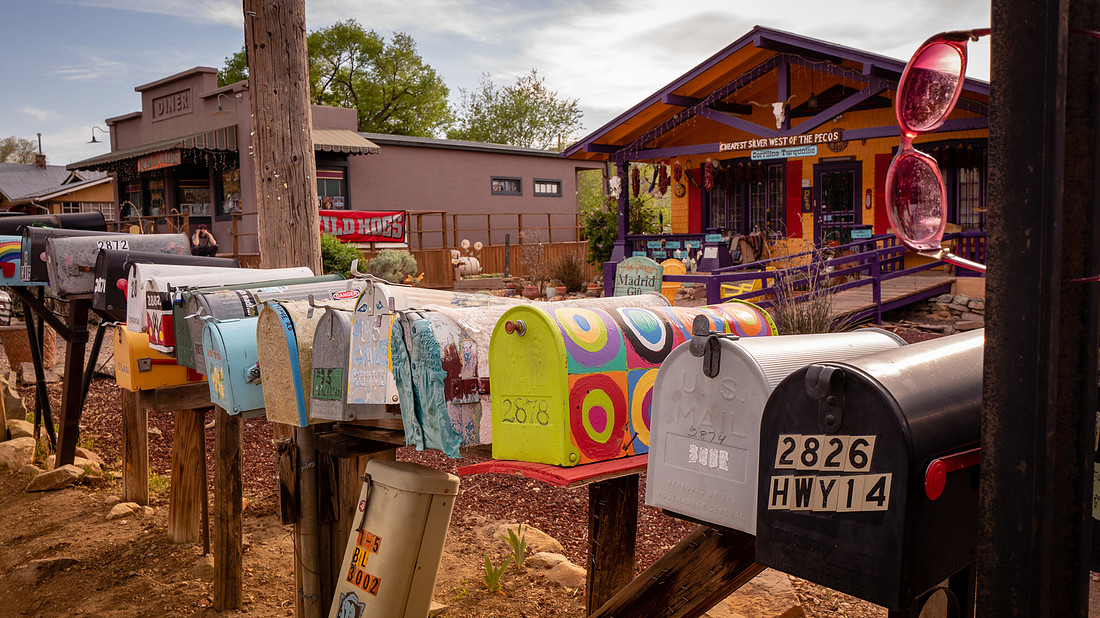
Seirer_180427_1010690.jpgSeirer_180427_1010690.jpgHeaven Found In case you're wondering, heaven can be found in Madrid, a town on the Turquoise Trail in New Mexico. The historic trail, otherwise known as Highway 14, links Albuquerque and Santa Fe. The trail has been supplanted by Interstate Highway 25, but that doesn't mean all the traffic has left. Quite the contrary. The trail, listed as a National Scenic Byway, attracts tourists, adventurers and free spirits. Madrid capitalizes fully, offering eccentric shops dealing in arts, crafts, food, clothing and even renowned chocolate creations. And bars. All heavenly.

In case you're wondering, heaven can be found in Madrid, a town on the Turquoise Trail in New Mexico. The historic trail, otherwise known as Highway 14, links Albuquerque and Santa Fe. The trail has been supplanted by Interstate Highway 25, but that doesn't mean all the traffic has left. Quite the contrary. The trail, listed as a National Scenic Byway, attracts tourists, adventurers and free spirits. Madrid capitalizes fully, offering eccentric shops dealing in arts, crafts, food, clothing and even renowned chocolate creations. And bars. All heavenly.


Colorful Town
May 02, 2018

Seirer_180427_1010702.jpgSeirer_180427_1010702.jpgColorful Town Vibrant expression is the rule in Madrid, New Mexico, a tiny town on the Turquoise Trail that has been recognized as a National Scenic Byway. This is a funky town, mixing individualism with expressive art, bold colors and, perhaps most importantly, commerce. It's known to attract tourists to its arts and crafts, and motorcyclists to its bars and music.

Vibrant expression is the rule in Madrid, New Mexico, a tiny town on the Turquoise Trail that has been recognized as a National Scenic Byway. This is a funky town, mixing individualism with expressive art, bold colors and, perhaps most importantly, commerce. It's known to attract tourists to its arts and crafts, and motorcyclists to its bars and music.


Intruders All
April 22, 2018

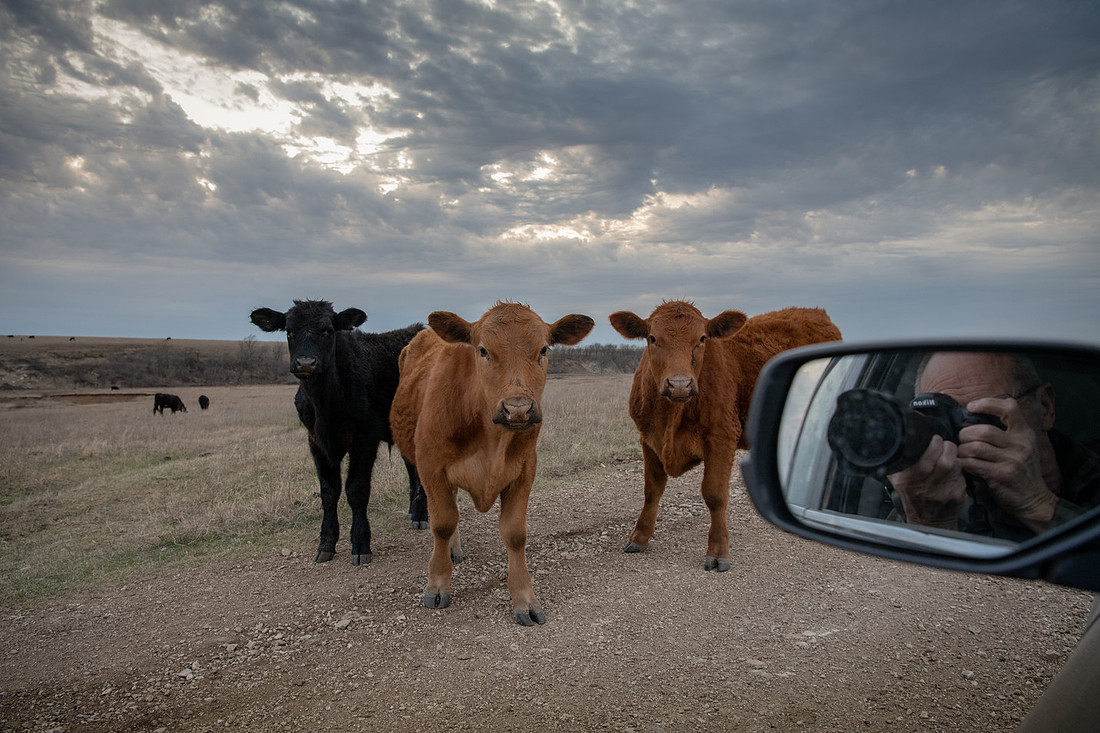
Seirer_180420_8501182.jpgSeirer_180420_8501182.jpgIntruders All Here, in the open range Flint Hills country of southern Chase County, intruders face off. I, the photographer, am in the domain of the open range cattle, who take an intense look at their visitor. But the cattle are standing on an official county road, Sharpes Creek Road east of Matfield Green. Open range is common in many parts of the Flint Hills, where ranches and pastures are big and county roads are lightly traveled. This standoff was brief. The cattle stepped aside; the photographer moved on.

Here, in the open range Flint Hills country of southern Chase County, intruders face off. I, the photographer, am in the domain of the open range cattle, who take an intense look at their visitor. But the cattle are standing on an official county road, Sharpes Creek Road east of Matfield Green. Open range is common in many parts of the Flint Hills, where ranches and pastures are big and county roads are lightly traveled. This standoff was brief. The cattle stepped aside; the photographer moved on.


Charred Field
April 22, 2018

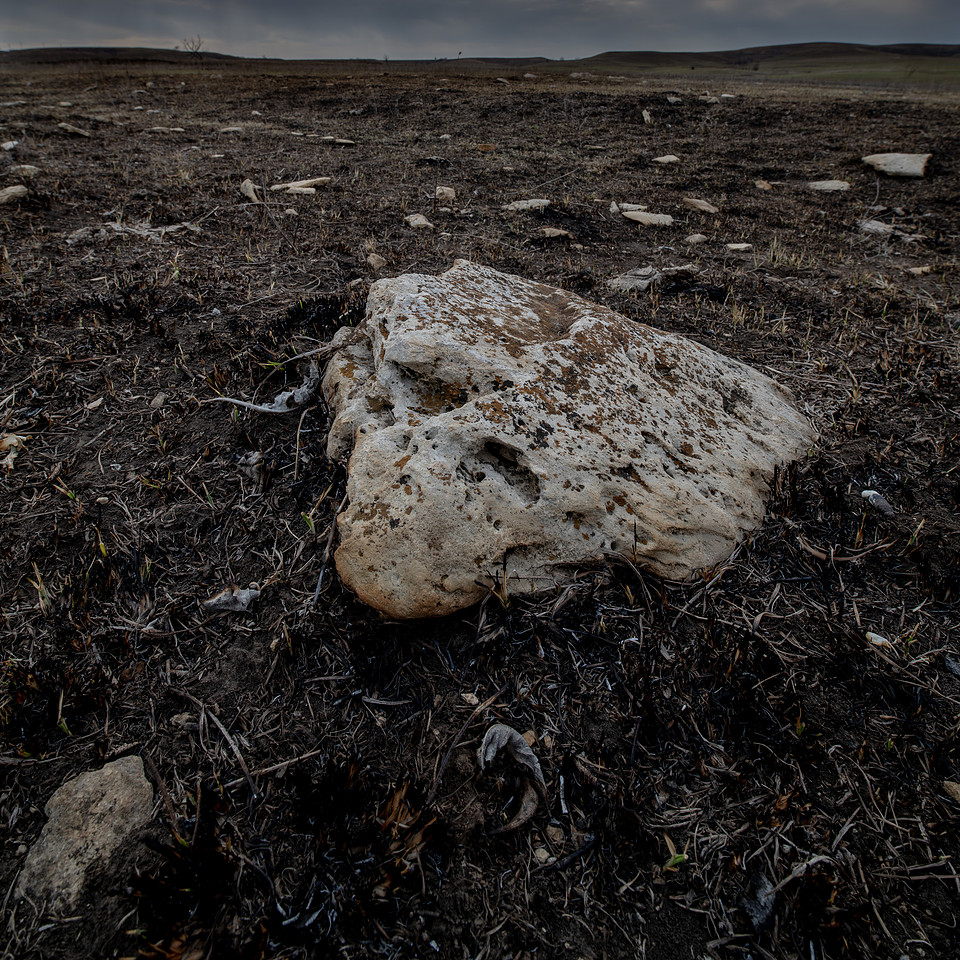
Seirer_180420_8503080.jpgSeirer_180420_8503080.jpgCharred Field A white limestone boulder provides a stark contrast to the burned grasses of a Flint Hills pasture in northern Greenwood County. Fire sparks a flush of new growth in the grasses that cattle relish. Ranchers have widely adopted the use of fire as a management tool because the increased weight gain of their cattle translates to greater revenue when they are sold in the fall.

A white limestone boulder provides a stark contrast to the burned grasses of a Flint Hills pasture in northern Greenwood County. Fire sparks new growth in the grasses that cattle find particularly tasty. Ranchers have widely adopted the use of fire as a management tool because the new grasses increase the seasonal weight gain of their cattle. That translates to greater revenue when the cattle are sold in the fall.


Waiting
April 19, 2018

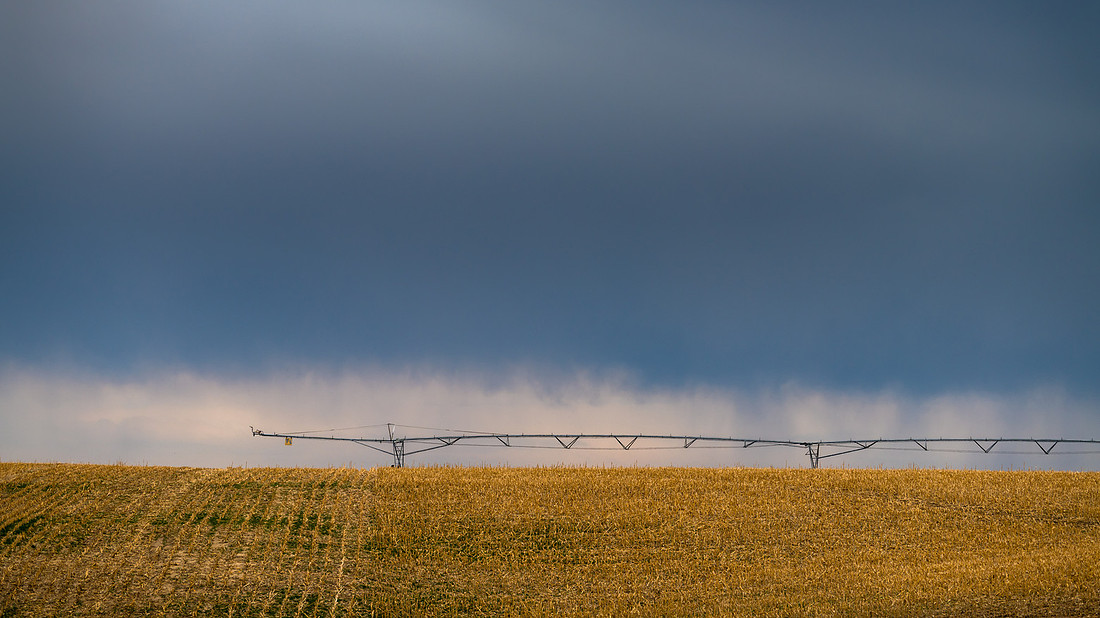
Seirer_180328_8501125.jpgSeirer_180328_8501125.jpgWaiting In early spring, a center-pivot irrigation system stands ready to water a yet-to-be-planted summer corn crop in central Nebraska, near Blue Hill. The irrigation system will draw water from the Ogallala aquifer, a vast underground water source that extends across 174,000 acreas in eight states of the High Plains. Nebraska is at the heart of this groundwater richness. Here, the water is deepest and most expansive, but the aquifer overall is being depleted by more than 200,000 wells, most of them drawing water for crops.

In early spring, a center-pivot irrigation system stands ready to water a yet-to-be-planted summer corn crop in central Nebraska, near Blue Hill. The irrigation system will draw water from the Ogallala aquifer, a vast underground water source that extends across 174,000 acreas in eight states of the High Plains. Nebraska is at the heart of this groundwater richness. Here, the water is deepest and most expansive, but the aquifer overall is being depleted by more than 200,000 wells, most of them drawing water for crops.


Dancing
April 15, 2018

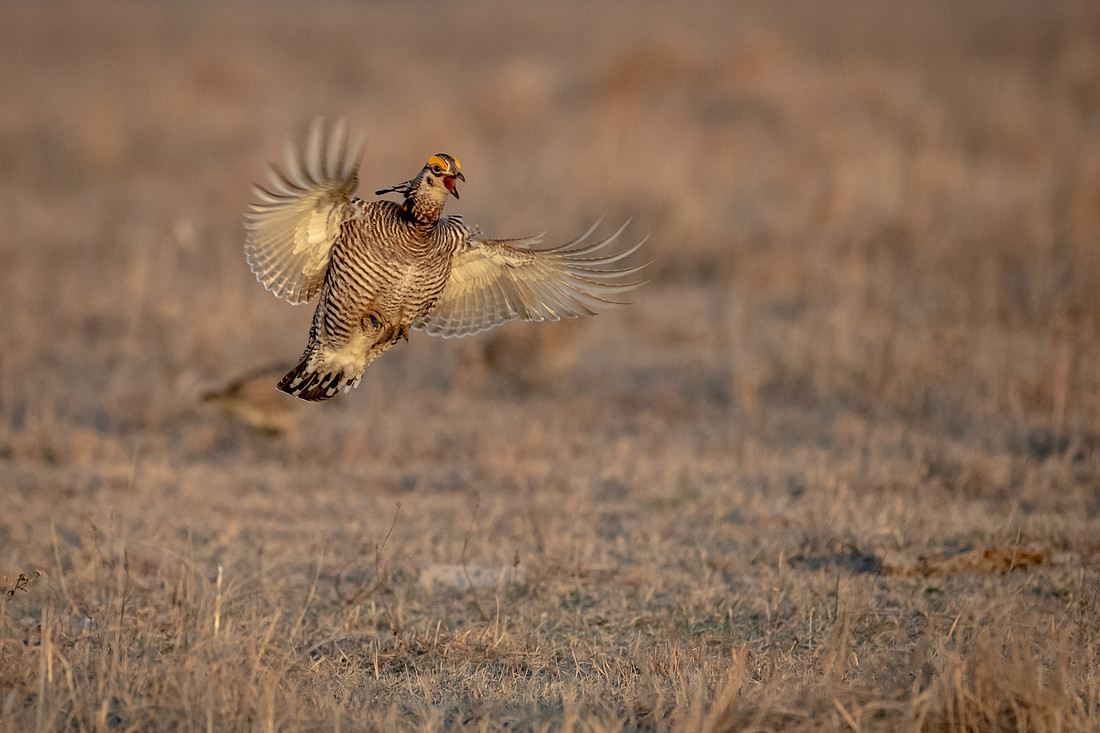
Seirer_180412_8502736.jpgSeirer_180412_8502736.jpgDancing A male Greater Prairie Chicken dances in an attempt to impress hens at a communal breeding ground known as a lek. On the day, the lek near Cheyenne Bottoms in central Kansas attracted more than a dozen males and half as many hens, but no mating occurred.

A male Greater Prairie Chicken dances in an attempt to impress hens at a communal breeding ground known as a lek. On this day, the lek near Cheyenne Bottoms in central Kansas attracted more than a dozen males and half as many hens, but no mating occurred.


A Show of Force
April 15, 2018

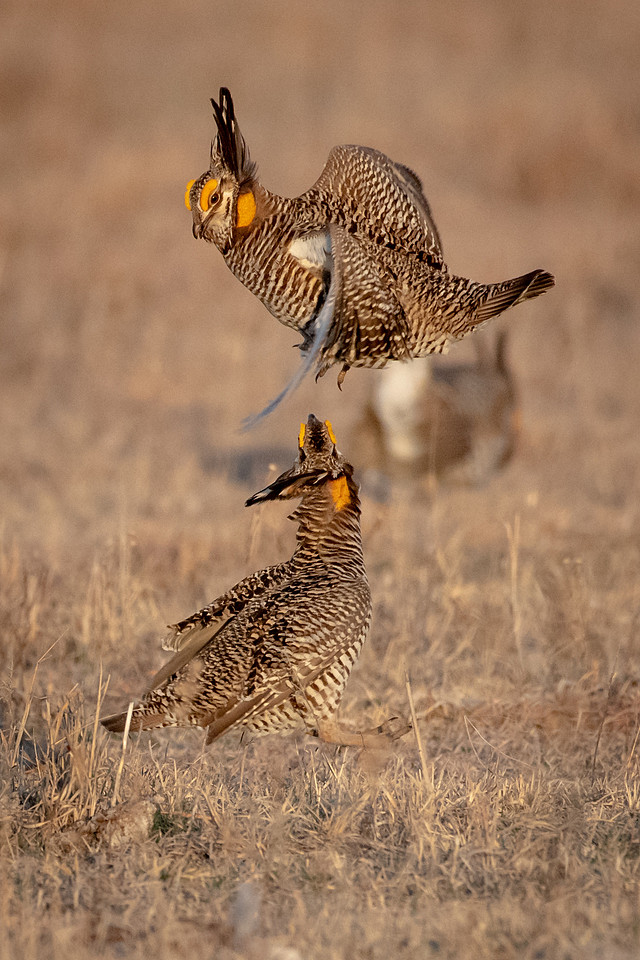
Seirer_180412_8502805.jpgSeirer_180412_8502805.jpgA Show of Force Challenging a competitor, a male Greater Prairie Chicken seeks to show dominance that might help him win the opportunity to be selected by a hen for breeding. Such communal breeding ground displays at a lek are part of a spring ritual for the ground-nesting prairie chickens.

Challenging a competitor, a male Greater Prairie Chicken seeks to show dominance that might help him convince a hen that he is the best breeding partner candidate. Such communal breeding ground displays are part of a spring ritual for the ground-nesting prairie chickens. This confrontation unfolded at a lek near Cheyenne Bottoms in central Kansas.


'Home On the Range'
April 13, 2018

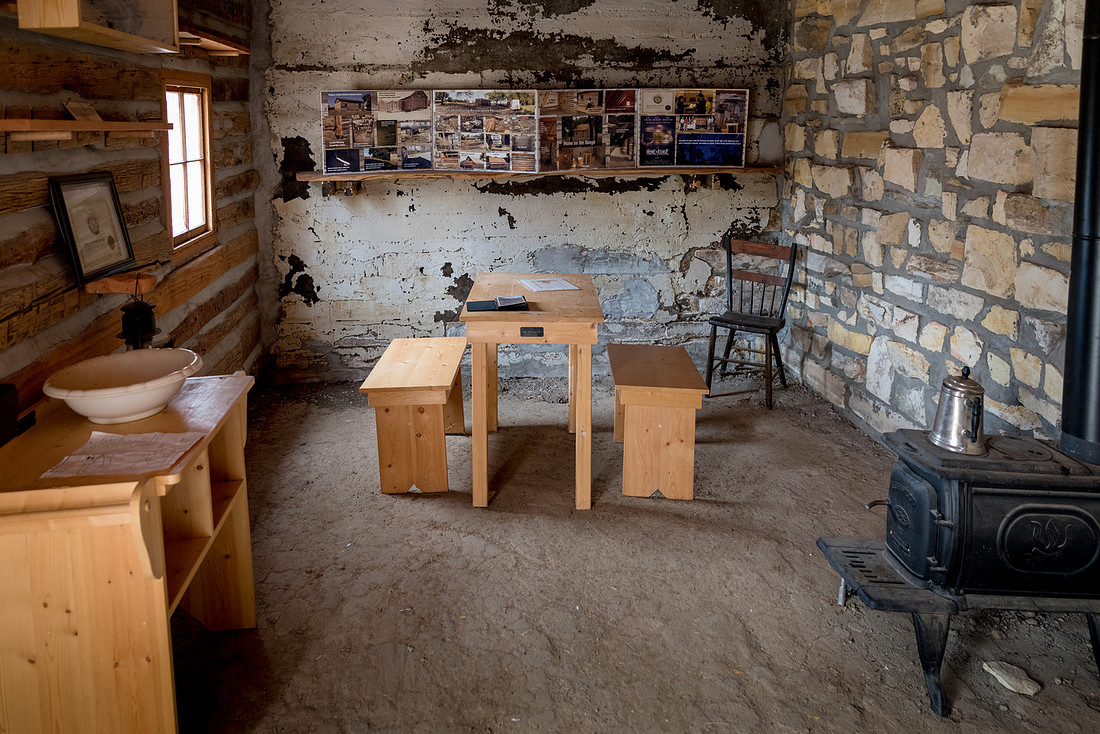
'Home On the Range''Home On the Range'This remote cabin, on the banks of West Beaver Creek in Smith County, is where the Kansas state song was born. The song is based on a poem written by Dr. Brewster M. Higley, who homesteaded here in 1871. He provided the poem to a friend, Dan Kelly, who set it to music now famously known as "Home On the Range." Brewster's cabin, which he built in 1872, has survived to earn a listing on the National Historic Register. It and the surrounding 240 acres today are owned by a local nonprofit foundation, which led a cabin restoration effort in 2013. The dirt-floor cabin and grounds, which include hiking trails along the heavily wooded creek, are open to the public year-round.

This remote cabin, on the banks of West Beaver Creek in Smith County, is where the Kansas state song was born. The song is based on a poem written by Dr. Brewster M. Higley, who homesteaded here in 1871. He provided the poem to a friend, Dan Kelly, who set it to music now famously known as "Home On the Range." Brewster's cabin, which he built in 1872, has survived to earn a listing on the National Historic Register. It and the surrounding 240 acres today are owned by a local nonprofit foundation, which led a cabin restoration effort in 2013. The dirt-floor cabin and grounds, which include hiking trails along the heavily wooded creek, are open to the public year-round.


Home On the Road
April 13, 2018

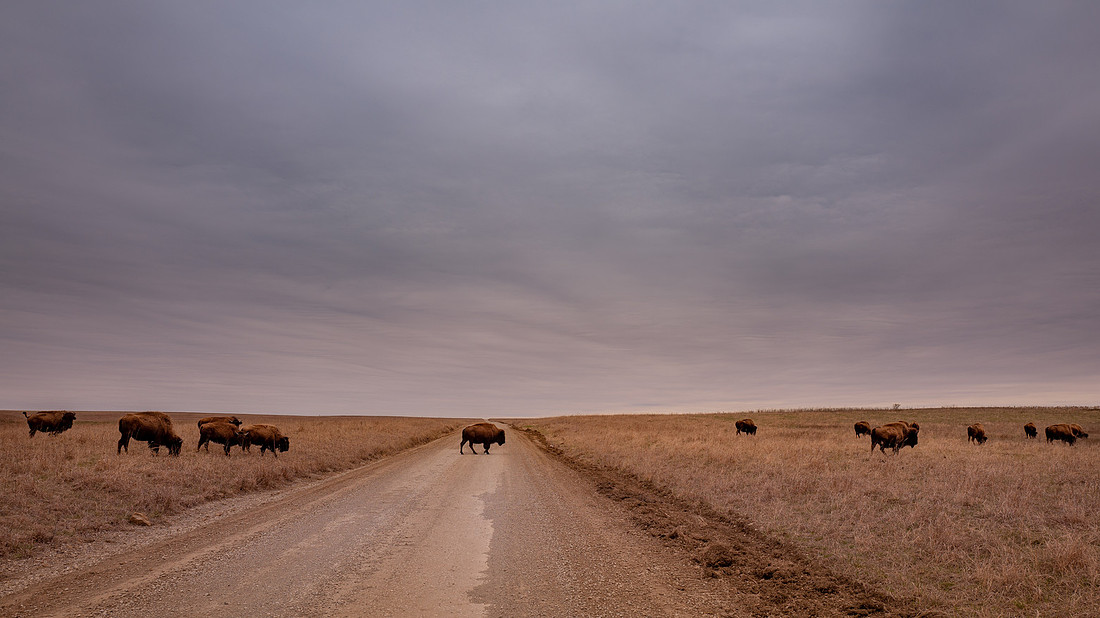
Seirer_180408_1010606.jpgSeirer_180408_1010606.jpgHome on the Road8gg At the Tallgrass Prairie Preserve in northern Oklahoma bison roam freely across more than 23,-000 fence-free acres of tallgrass prairie, much as they did before white settlers encroached. The preserve, owned by The Nature Conservancy, is home to about 2,700 bison. A network of gravel roads allows the public the opportunity for close encounters not only with the bison but also with the natural tallgrass prairie ecosystem. Also at the preserve, the conservancy has set aside some 11,000 acres devoted to the development of progressive range management techniques for domestic livestock.


At the Tallgrass Prairie Preserve in northern Oklahoma, bison roam freely across more than 23,000 fence-free acres of tallgrass prairie, much as they did before white settlers encroached. The preserve, owned and operated by The Nature Conservancy, is home to about 2,700 bison. A network of gravel roads allows the public the opportunity for close encounters not only with the bison but also with the natural tallgrass prairie ecosystem. Also at the preserve, the conservancy devotes some 11,000 acres to the development of progressive range management techniques for domestic livestock.


Untampered Scene
April 13, 2018

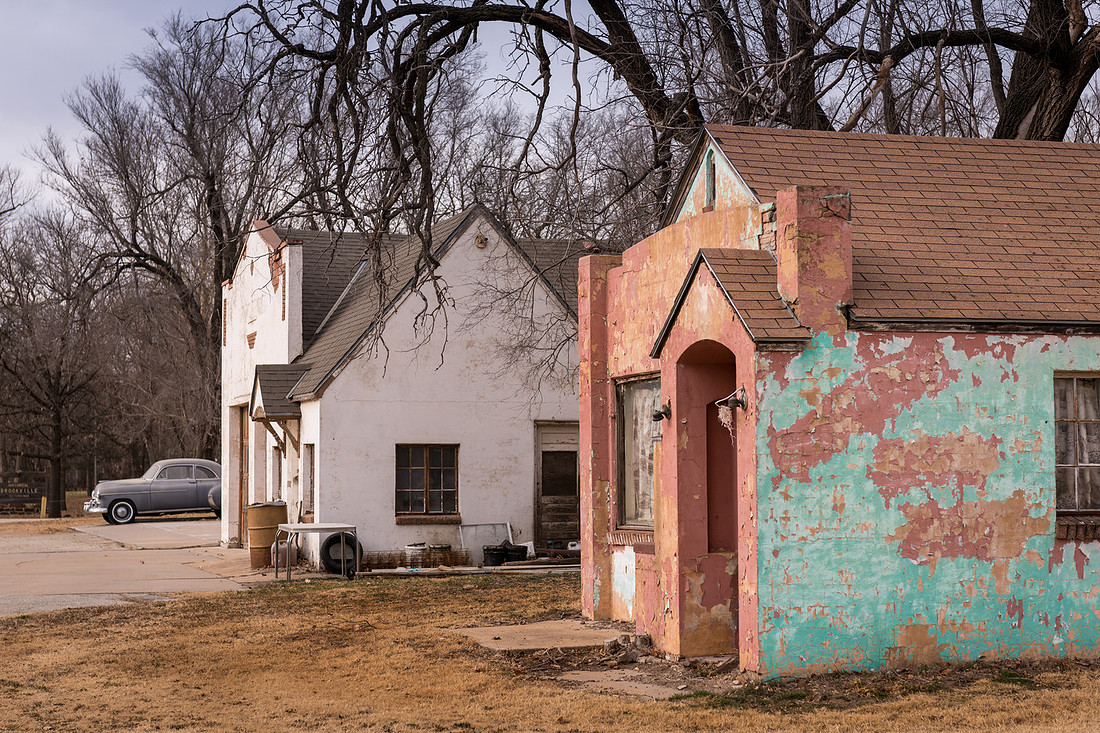
Seirer _ 171211 _ 8500662.jpgSeirer _ 171211 _ 8500662.jpgUntampered Scene A pair of former highway service buildings at Brookville present an aging face to what once was busy U.S. Highway 40, itself supplanted by Interstate Highway 70 a few miles north. Locals say the white building was a longtime gas station and its neighbor is believed to have once housed a cafe. Both buildings have long been retired from service. Completing the scene is a car from the era's heyday, parked there for storage. It's a 1953 Chevrolet Deluxe.

A pair of former highway service buildings at Brookville present an aging face to what once was busy U.S. Highway 40, itself supplanted by Interstate Highway 70 a few miles north. Locals say the white building was a longtime gas station and its neighbor is believed to have once housed a cafe. Both buildings have long been retired from service. Completing the scene is a car from the era's heyday, parked there for storage. It's a 1953 Chevrolet Deluxe.


Rolling Road
April 04, 2018

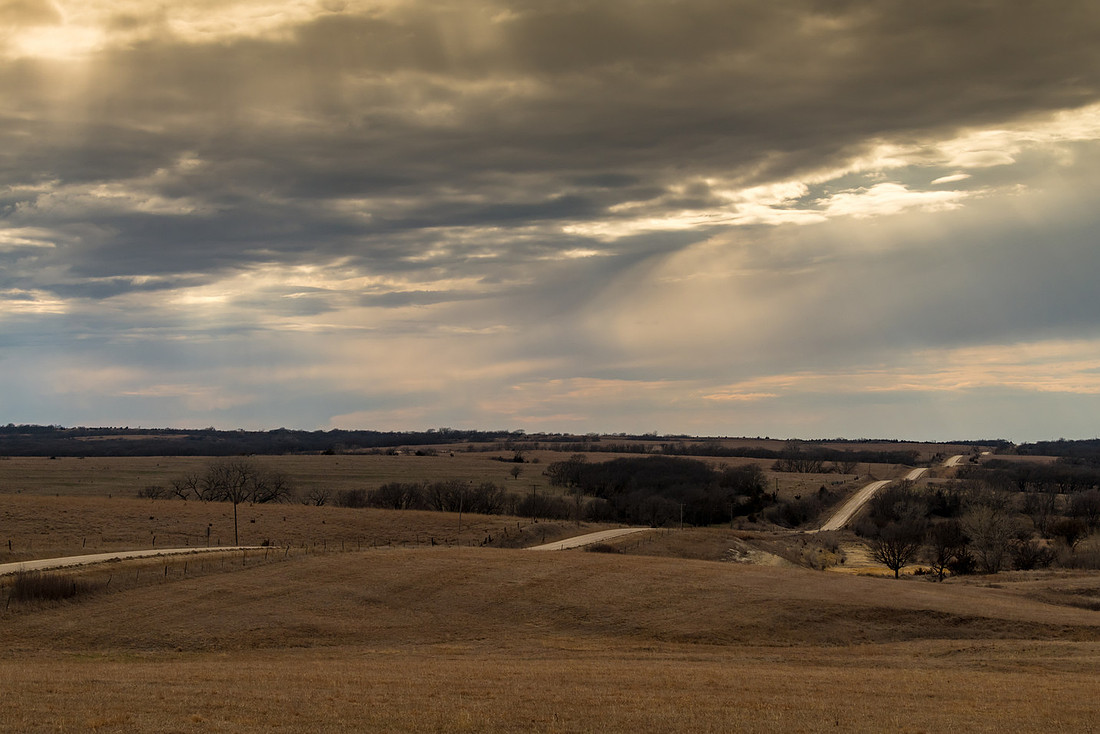
Seirer_180328_8501168.jpgSeirer_180328_8501168.jpgRolling Road A road of white chalk follows the rolling hills southeast of Lovewell Reservoir in Jewell County.

A road of white chalk follows the rolling hills southeast of Lovewell Reservoir in Jewell County.


Looking for Corn
April 02, 2018

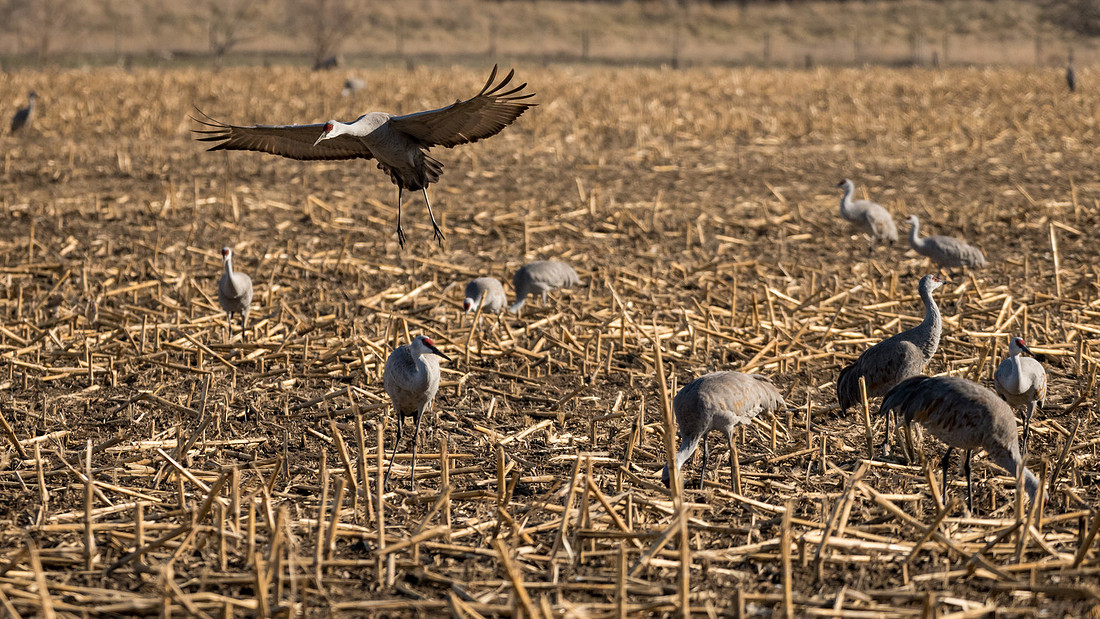
Seirer_180328_8502497.jpgSeirer_180328_8502497.jpgLooking for Corn Another sandhill crane drops in to join the scavengers looking for leftover cron in a field south of the Platte River near Kearney, Neb. The river is a staging area for the birds, which are migrating north for the summer. They spend about a month on the Platte to add about 20 percent to their body weight. That's the fuel that will take them to Alaska and Canada.

Another sandhill crane drops in to join the scavengers looking for leftover cron in a field south of the Platte River near Kearney, Neb. The river is a staging area for the birds, which are migrating north for the summer. They spend about a month on the Platte to add about 20 percent to their body weight. That's the fuel that will take them to Alaska and Canada.