Ranch Rocks
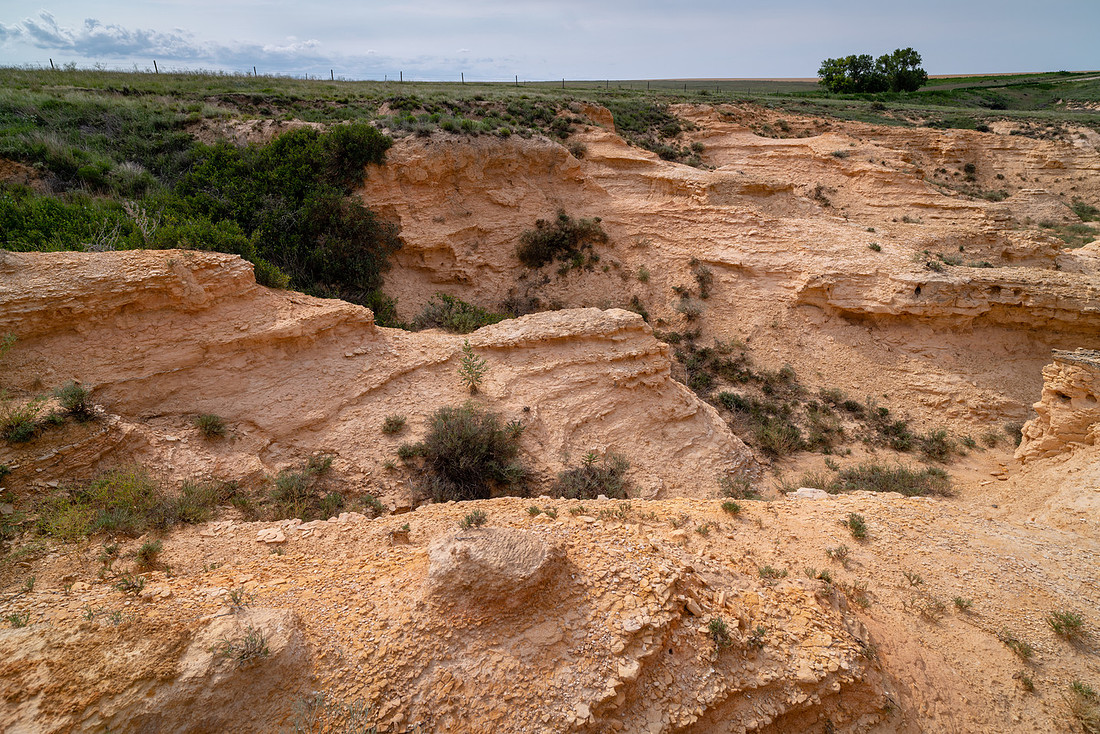

Niobrara chalk beds with sculpted bluffs and ravines interrupt the shortgrass prairie of the Smoky Valley Ranch in Logan County. The ranch of more than 17,000 acres is owned by The Nature Conservancy. It is a working cattle ranch and research site, but also contains a hiking trail with public access. For more photographs of the ranch, see the Portfolio on the main page.
Sale Barn Nears Its End
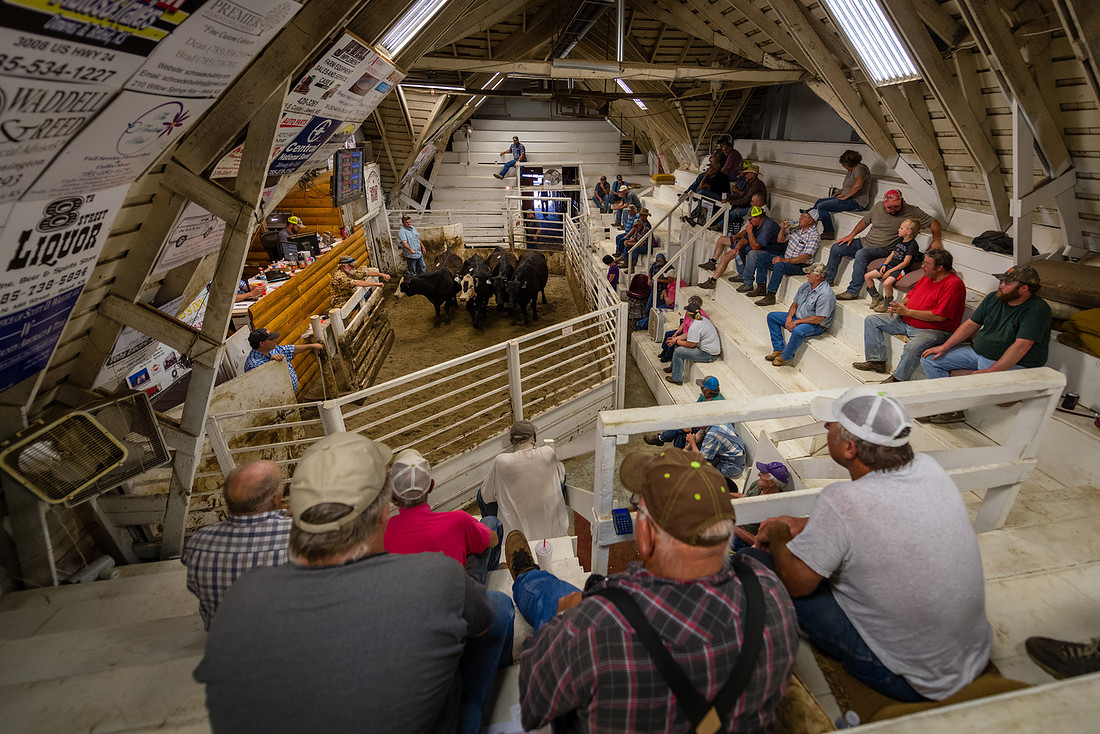
Cattle needing a new home pass through the auction ring at Mankato Livestock, giving potential buyers a chance to evaluate them and consider their bids. The sale barn at the north edge of Mankato, in use since 1929, is soon to be replaced by a new auction arena. After the weekly sale on June 1, the barn will be razed to make way for the new structure that is expected to be in operation by late summer.
Muffin Break
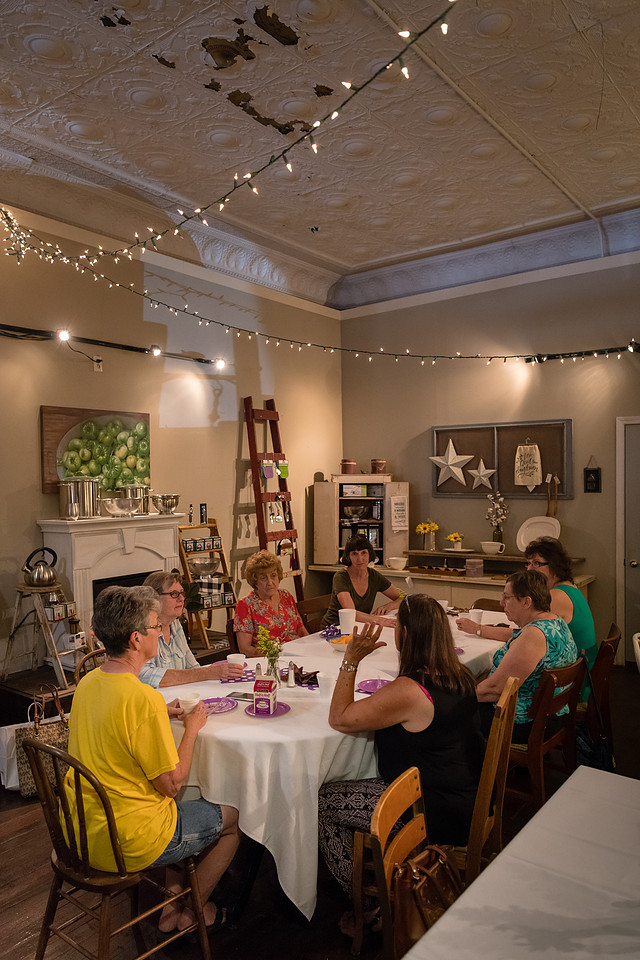
Underneath the 16-foot-high tin ceiling at Possibilities, members of the Mankato High School class of 1968, in town to celebrate the 50th anniversary of their graduation, enjoy coffee and muffins. Possibilities is a home decor and gift shop launched by Jewell County Justified, a local organization determined to spark economic activity and stem the shrinkage in Jewell County's population and business community. With the help of volunteers, the group renovated and revived the former Dime Store, a long-vacant downtown Mankato landmark that marketed candy, toys and household items.
Campaigning

Gubernatorial candidate Josh Svaty listens as his pick for lieutenant governor, Katrina Lewison of Manhattan, addresses a crowd at a rally at Free State Brewery in Lawrence. Svaty, an Ellsworth farmer making a bid for the Democratic nomination, announced his running mate during a cross-state whirlwind tour May 16-17.
Restored Grassland
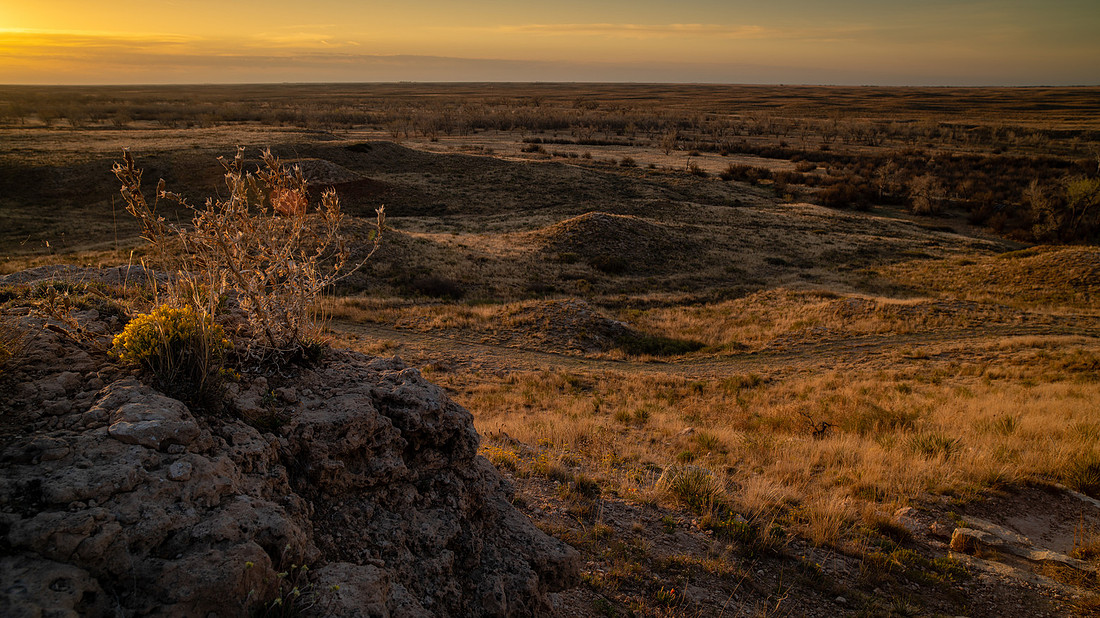
A spring day breaks over the Cimarron National Grassland near Elkhart. The national grassland is a product of the Dust Bowl of the 1930s. Prodded by plentiful rain and high grain prices in the 1920s, much of the usually parched southwest Kansas land in the valley of the Cimarron River was tilled. But when drought came in the following decade, the thin, sandy soil was lifted by wind, creating clouds of dirt as the bare fields eroded. To clear the air and stop the erosion, Congress in 1932 passed laws allowing the government to purchase vulnerable land and return it to native grasses, which have extensive root systems that hold soil in place. Thousands of acres in the Great Plains were rescued by the program. The Cimarron National Grassland, managed by the U.S. Forest Service, includes 108,175 acres in Morton and Stevens counties
Facing the Wind
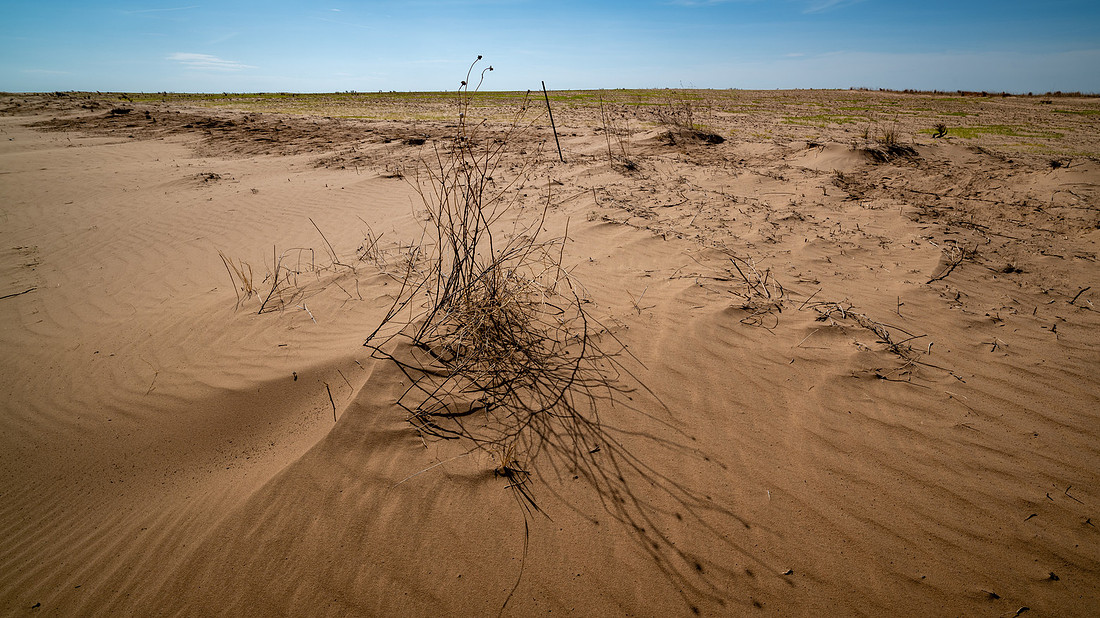
The wheat has been harvested and the thin, sandy soil, now mostly bare, is free to blow. Dunes form in the roadside ditches, filling them. Fields in far southwest Kansas once were covered with shortgrass prairie, with root systems that held soil in check. This field is in Seward County, north of Liberal.
Sparkling Butte
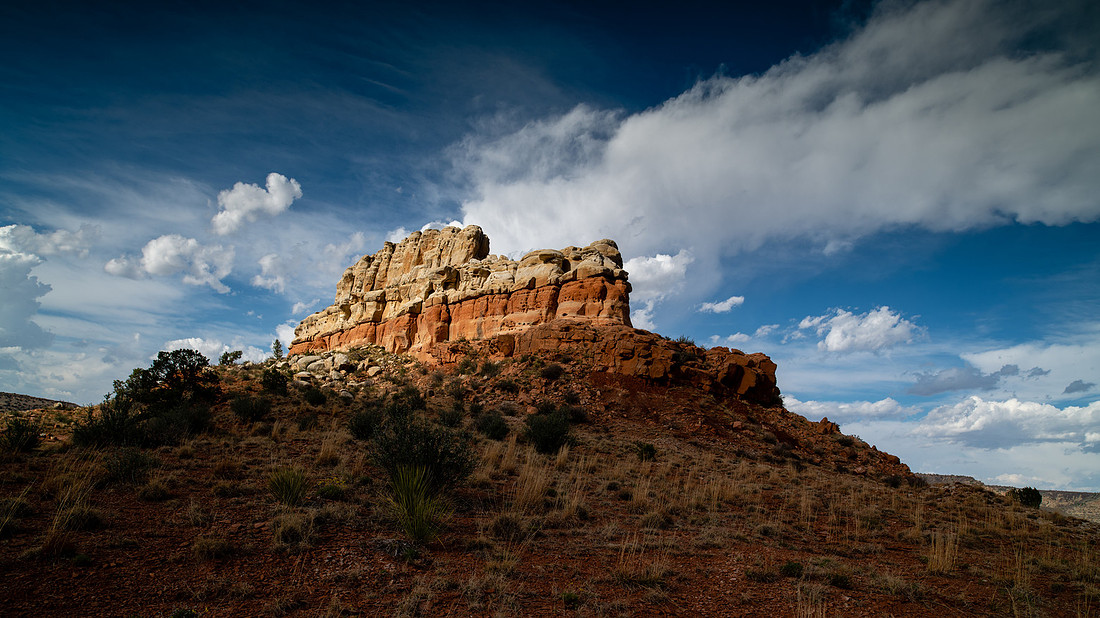
Passing clouds put much of the terrain in shadow but also allow brilliant sunlight to strike this red butte, making it even more prominent in the rugged landscape of extreme northeastern New Mexico.
Chimney Rock

Chimney Rock is a prominent feature of Ghost Ranch, a 22,000 New Mexico education and retreat center owned by the Presbyterian Church. The high-desert ranch, beloved by painter Georgia O'Keefe, is northwest of Santa Fe near Abiquiu.
Plaza Blanca
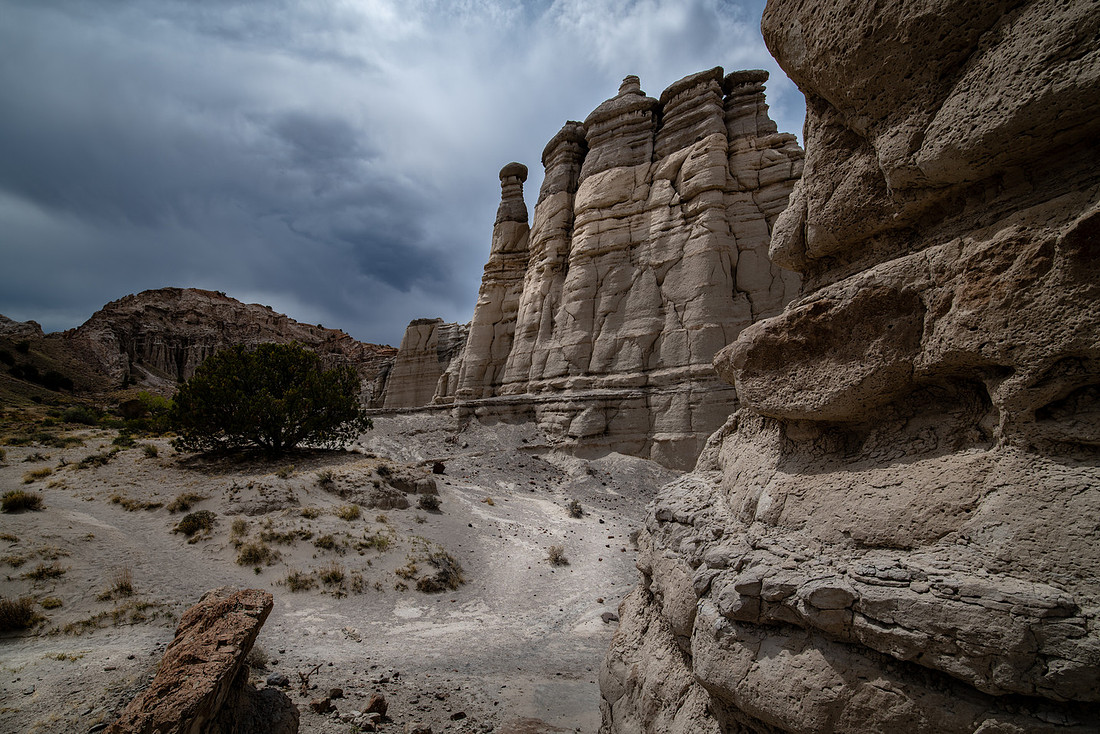
Majestic spires towering some 60 feet rise above the Rio Chama River valley near Abiquiu, New Mexico. The bizarre landscape is known as Plaza Blanca, Spanish for The White Place. Its beauty has long attracted artists, including painter Georgia O'Keefe, who lived nearby.
A Face of Cavities
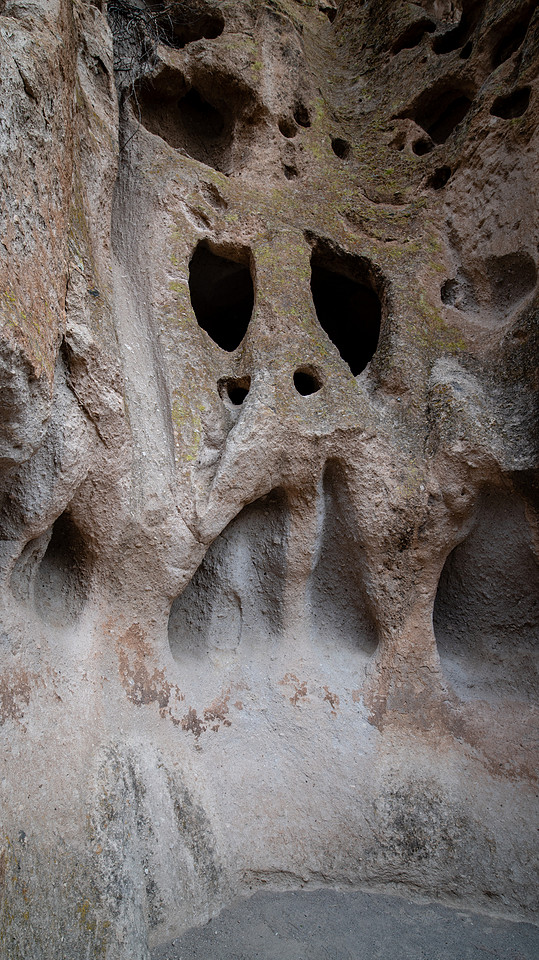
Air pockets in rocks created from compacted volcanic ash, called tuff, left countless cavities in the towering cliffs of Bandelier National Monument near Los Alamos, New Mexico. Those cavities, many of them small but easily enlarged with hand tools, are believed to have provided housing for ancient populations as many as 11,000 years ago.
A Turn to Green
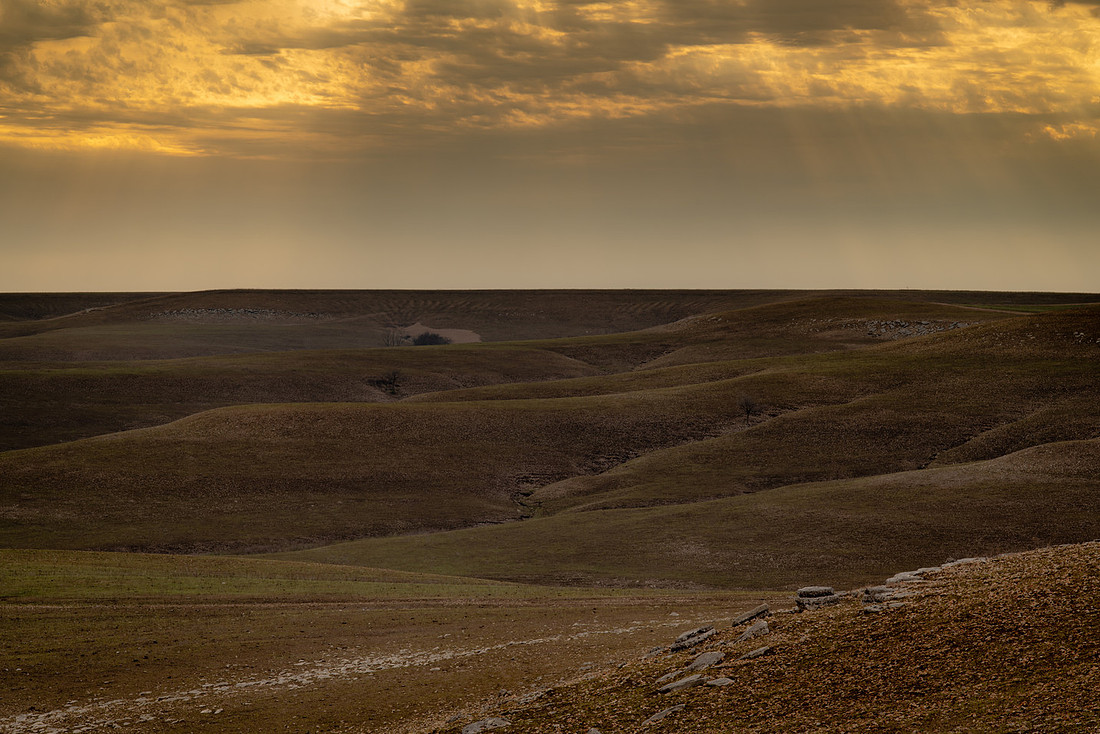
A late-afternoon sun bathes a Flint Hills pasture that is just turning green following a prescribed burn. This scene is in southern Chase County near Texaco Hill.
Coffee Time at Hardy
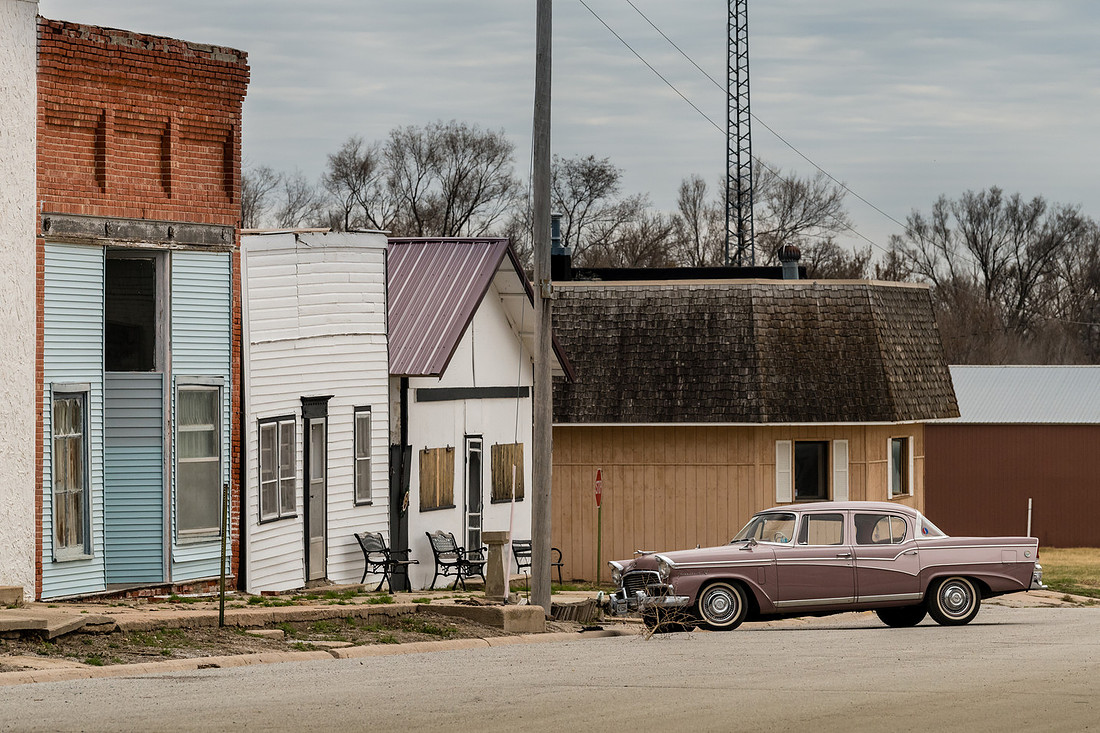
A Studebaker President in pristine condition provides a sharp contrast to the less-well-kept downtown of Hardy, Neb., just across the Kansas border north of Lovewell Reservoir. Its owner drove the 1950s-era car to town to join his afternoon coffee group at the Hardy cafe. The cafe was closed! But not to worry. Group members have keys. They let themselves in, serve themselves beverages and discuss the events of the day at a large table.They put their payment on the counter and lock the door behind them when they leave. That's the essence of how small-town life once was in the Studebaker's day — and still is in increasingly rare instances.