Evidence of Rain
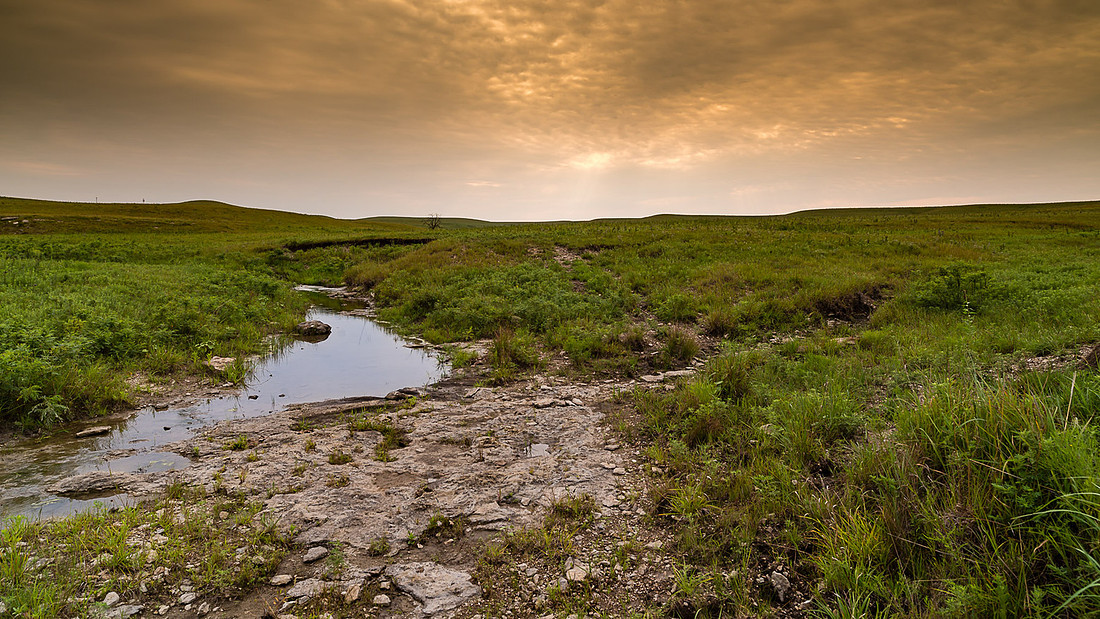

Recent rain has left water in a waterway of the Flint Hills prairie east of Matfield Green, in Chase County. The exposed rock in the foreground helps explain why rain doesn't percolate well in the Flint Hills; rather, it runs, often at astonishing speed.
Rocked In
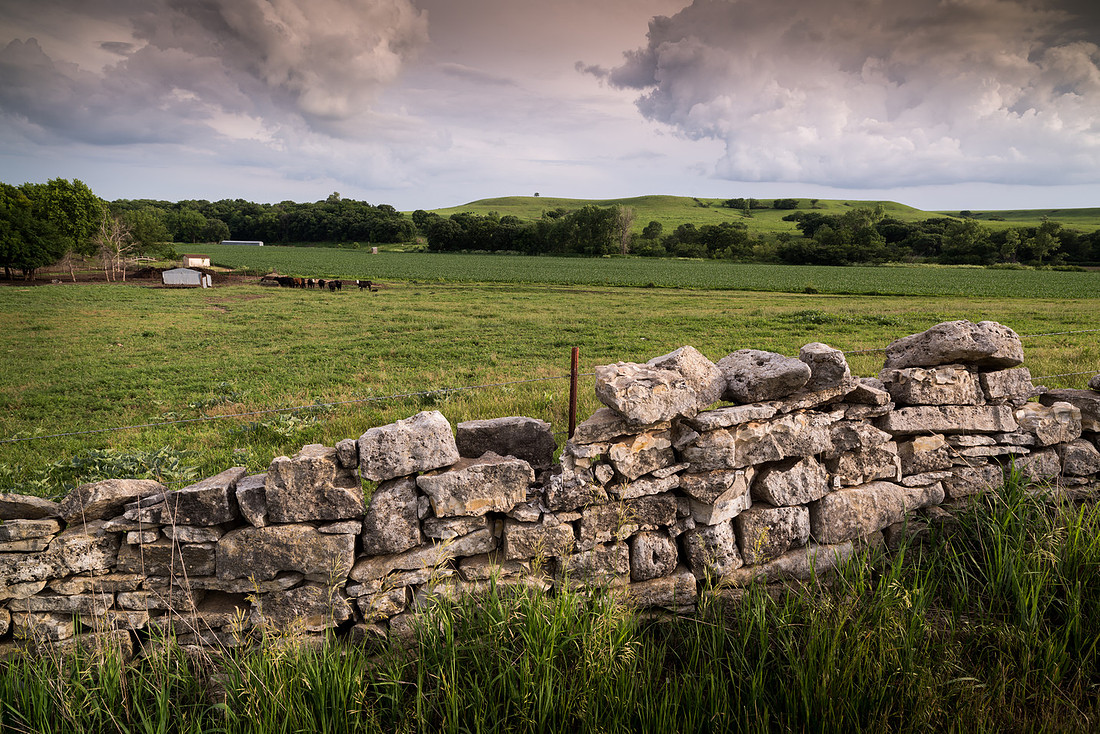
A rock wall, fortified by a barbed wire fence, surrounds a Flint Hills pasture on Drovers Trail Road in Wabaunsee County, Kan.
Like A Rock
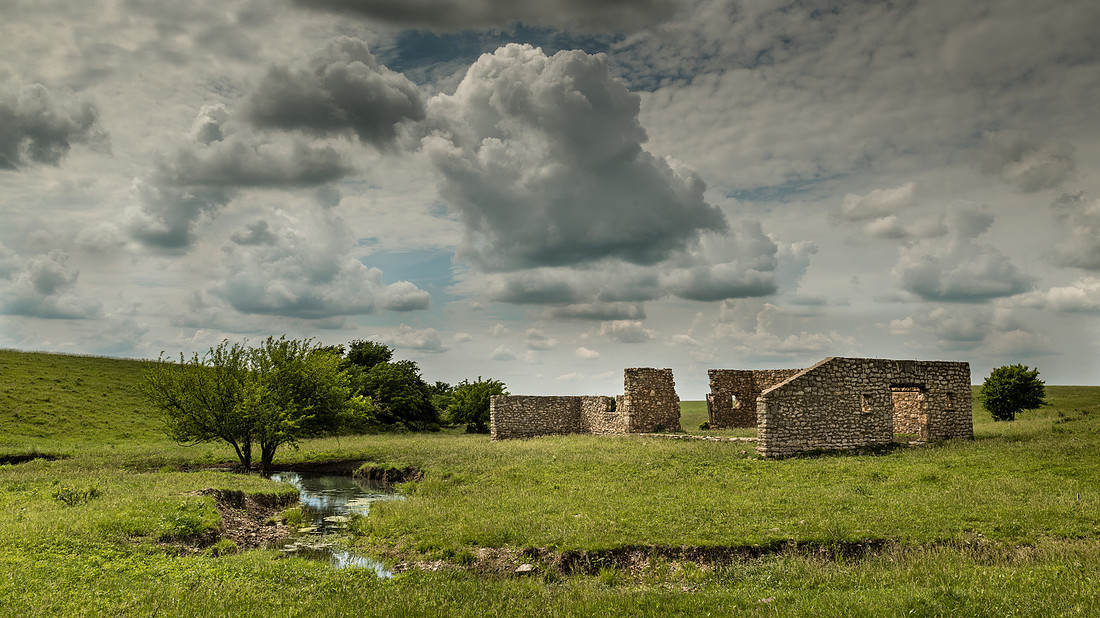
Only the rock wall skeleton of this outbuilding remains standing in a Flint Hills pasture in the northwest corner of Wabaunsee County. The scene is along Deep Creek Road.
Horses on the Prairie
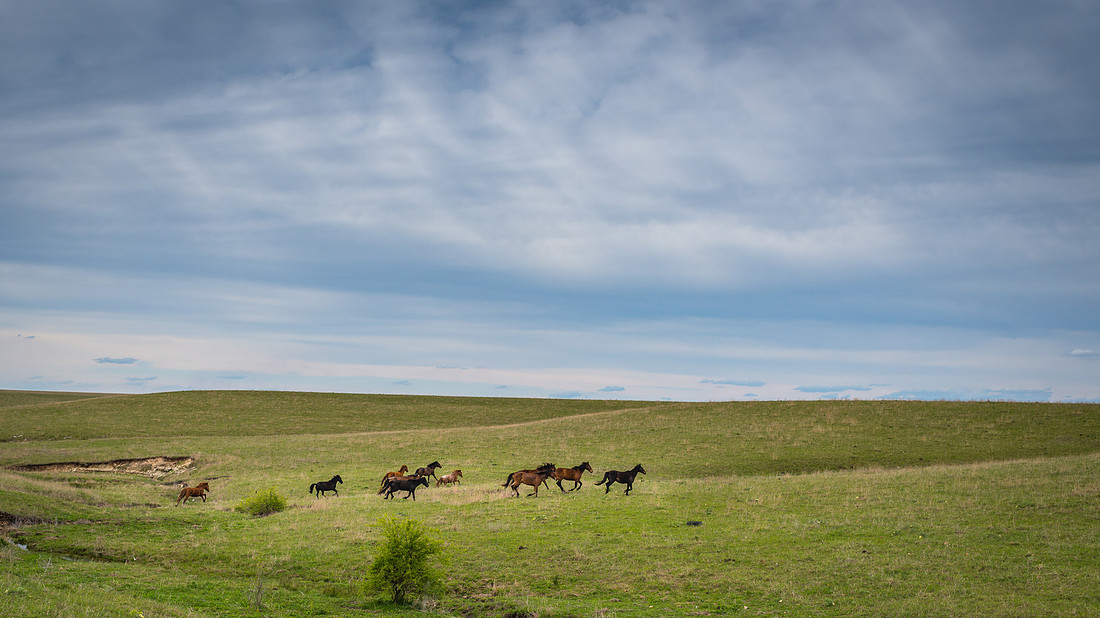
A herd of wild horses run in the Flint Hills of northeastern Butler County. More than 7,000 such horses have been placed in five Flint Hills pastures, totaling some 60,000 acres, by the federal Bureau of Land Management, which takes bids from ranchers to lease native prairie on a per-head basis. The ranchers provide the tallgrass pasture and, in the winter, supplemental feed.
Home in the Tallgrass
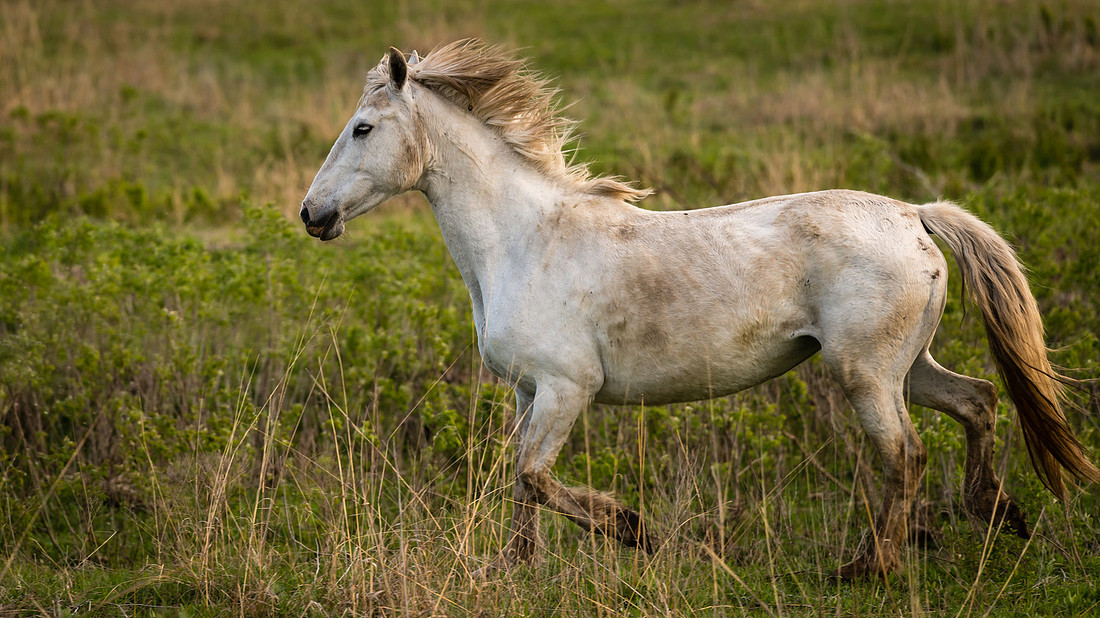
Wild horses have room to run in the tallgrass prairie of the Flint Hills east of Cassoday, Kan. Five pastures totaling some 60,000 acres have been leased to the federal Bureau of Land Management to provide a native prairie home for the horses and, in turn, preserve a well-known symbol of the Old West.
Grade A School
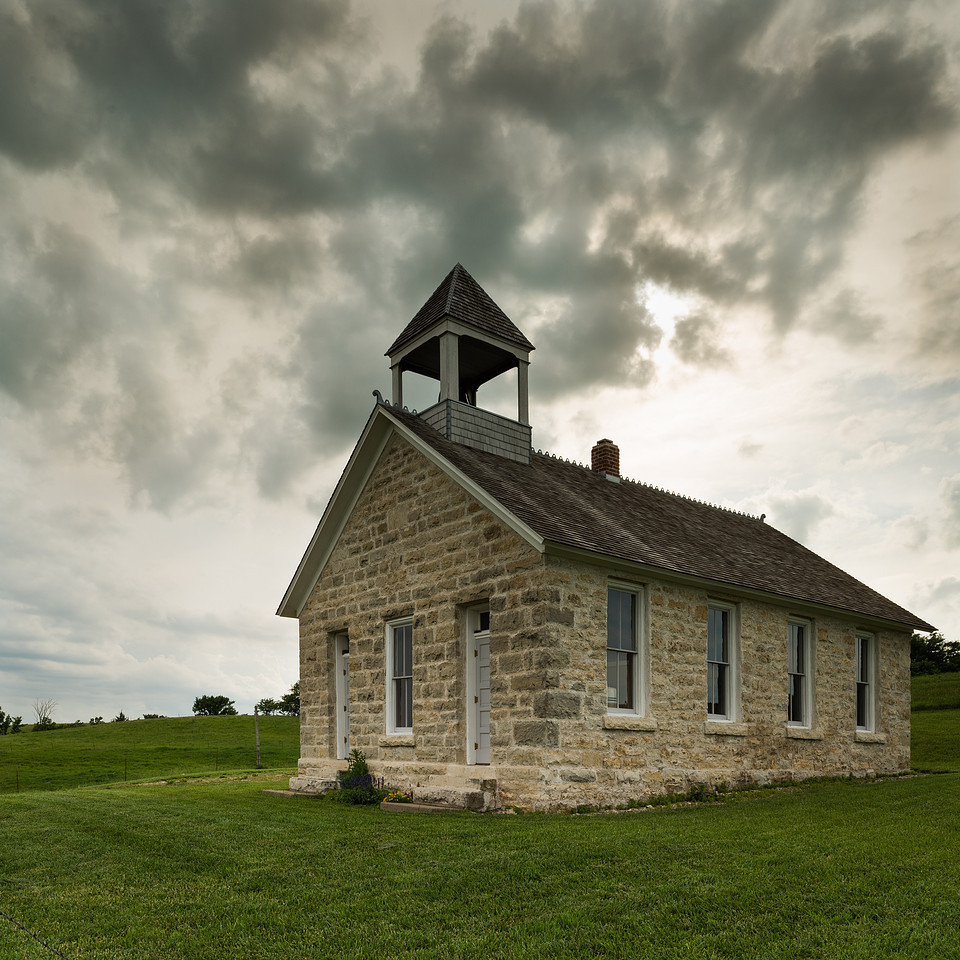
This one-room, stone schoolhouse in Wabaunsee County has been fully restored and the grounds are well-maintained, but class hasn't been in session for years. The District 26 school was known as the Volland School and is west of that once-vibrant community that now, oddly enough, is most well known for its art gallery in a restored hardware building. The Volland School, on a hilltop along Old K10 Road, is privately owned and maintained.
Roots in Nicodemus
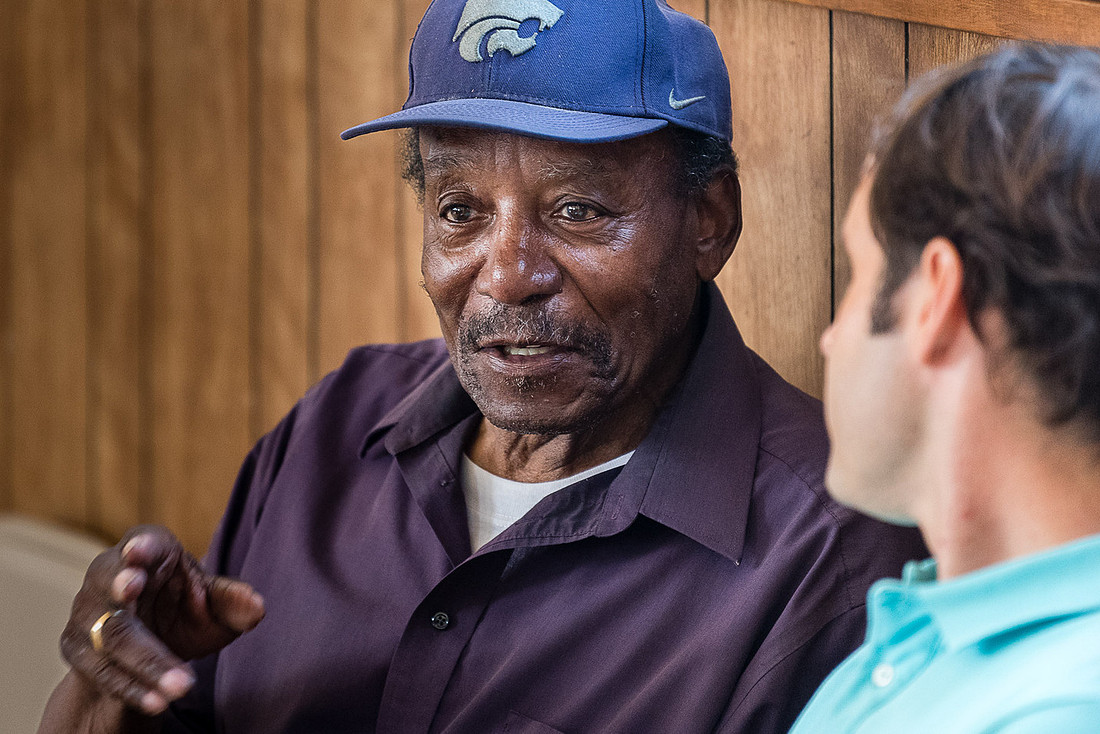
Veryl Switzer, nationally acclaimed sports star in the 1950s who returned to his hometown of Nicodemus to farm, chats with Josh Svaty, a Kansas gubernatorial candidate, at the 2017 Nicodemus Homecoming Celebration. Switzer, a graduate of nearby Bogue High School, won national attention as a football standout in the early 1950s at Kansas State University. He led the nation in punt returns his senior year and afterward was the fourth overall pick in the National Football League draft, joining the Green Bay Packers. His football career was interrupted by Air Force service and, upon his return he played Canadian football before joining the staff at the Chicago Board of Education. But he returned to Kansas and maintained his ties to his Nicodemus roots and farm even while serving in administrative roles at K-State. He is a descendent of one of the original settlers of Nicodemus, which was founded and promoted in 1877 as The “Largest Colored Colony in America.” In 1996 Congress designated Nicodemus as a National Historic Site, and today the National Park Service maintains a visitors center and five historic buildings, including the Township Hall where the Homecoming festivities were headquartered. Switzer said younger family members tend his farm today and he’s mostly retired.
Campaign Colors
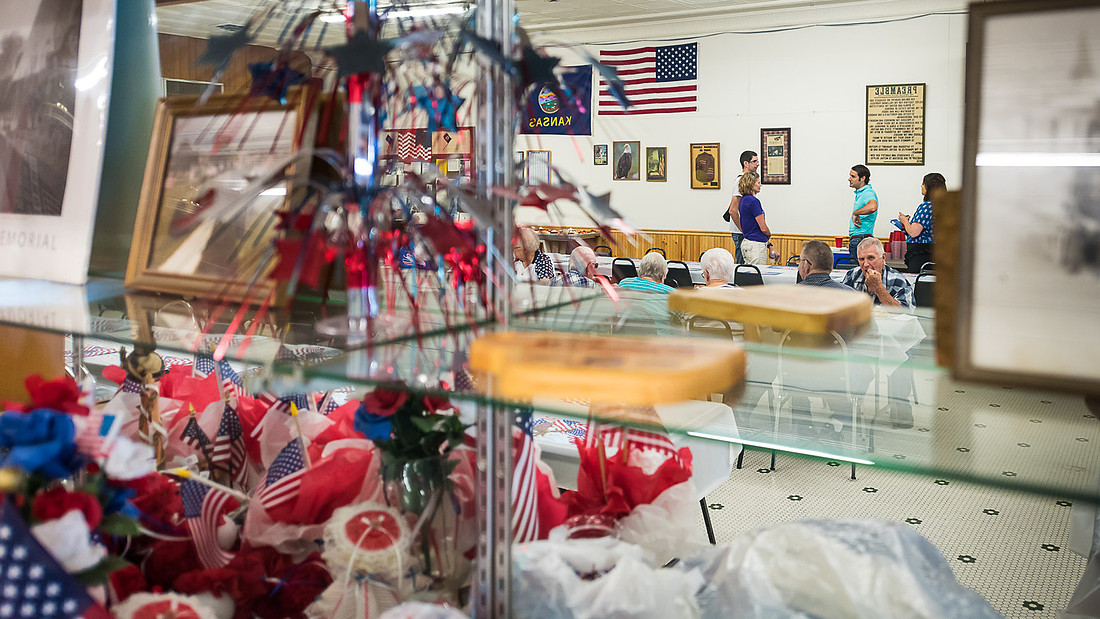
A mirror behind a large glass display case, filled with flags, streamers, historical photographs and other memorabilia, reflects the work of Josh Svaty in Osborne, Kan. Svaty, campaigning for governor, was at the drink station of a fundraising dinner when his attention was engaged by potential voters from Smith Center. He obliged, of course. Svaty was in Osborne to check out the Osborne County Fair and one of its signature events, the dinner that is the primary fundraiser of the Osborne Veterans of Foreign Wars Auxiliary. It was staged in the downtown Veterans Building, and began just after the fair parade that filed past the front door. The building is home to the local chapters of both the VFW and the American Legion. Its décor is rich in flags and for the dinner the colors red, white and blue were predominate. The fare? Fried chicken, potato salad, beans, bread and, for dessert, home-baked pies in the widest assortment imaginable. And the price? Just ten bucks.
Flourishing Flowers
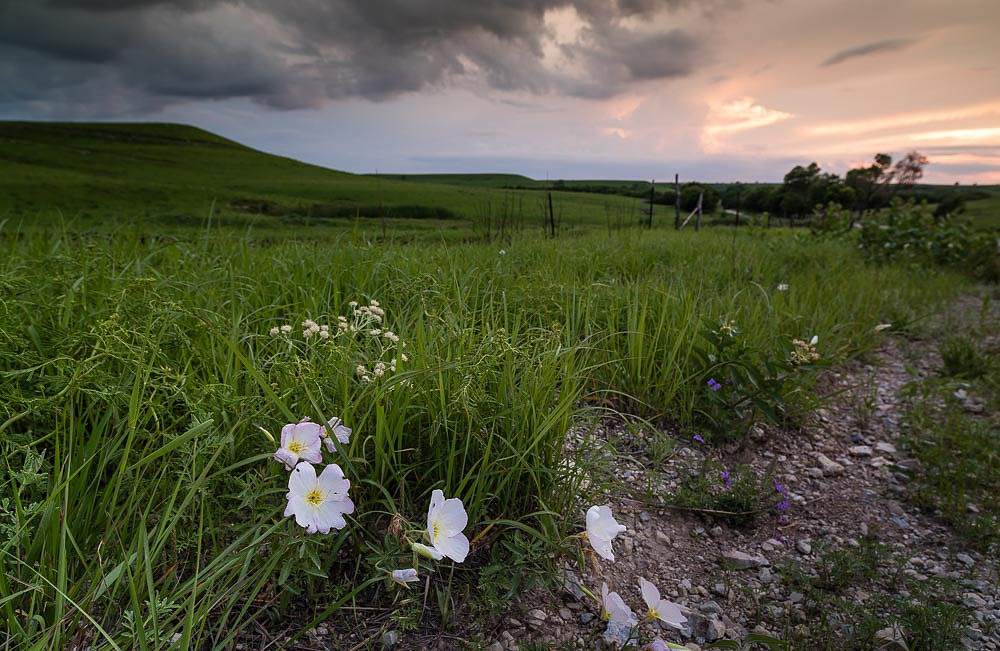
Flowers bloom along Tulley Hill Road in the Flint Hills of northwestern Geary County, Kan.
Warm Tones at Daybreak
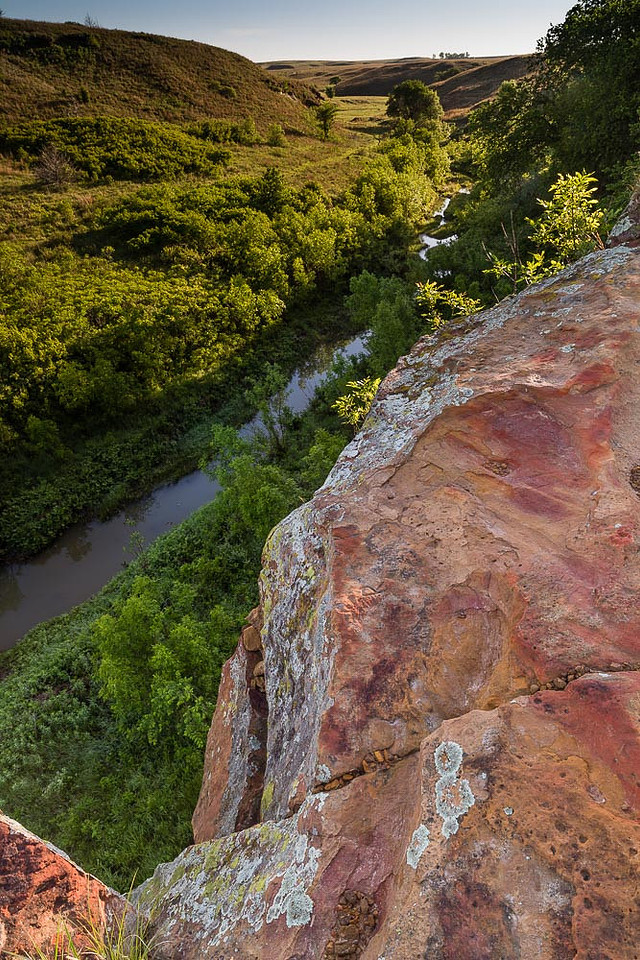
Early-morning sunshine bathes a valley of Horsethief Canyon in warm light. The canyon, at the northeast end of Kanopolis Reservoir in central Kansas, is known for its reddish sandstone that is part of the rugged terrain.
Visiting Bee
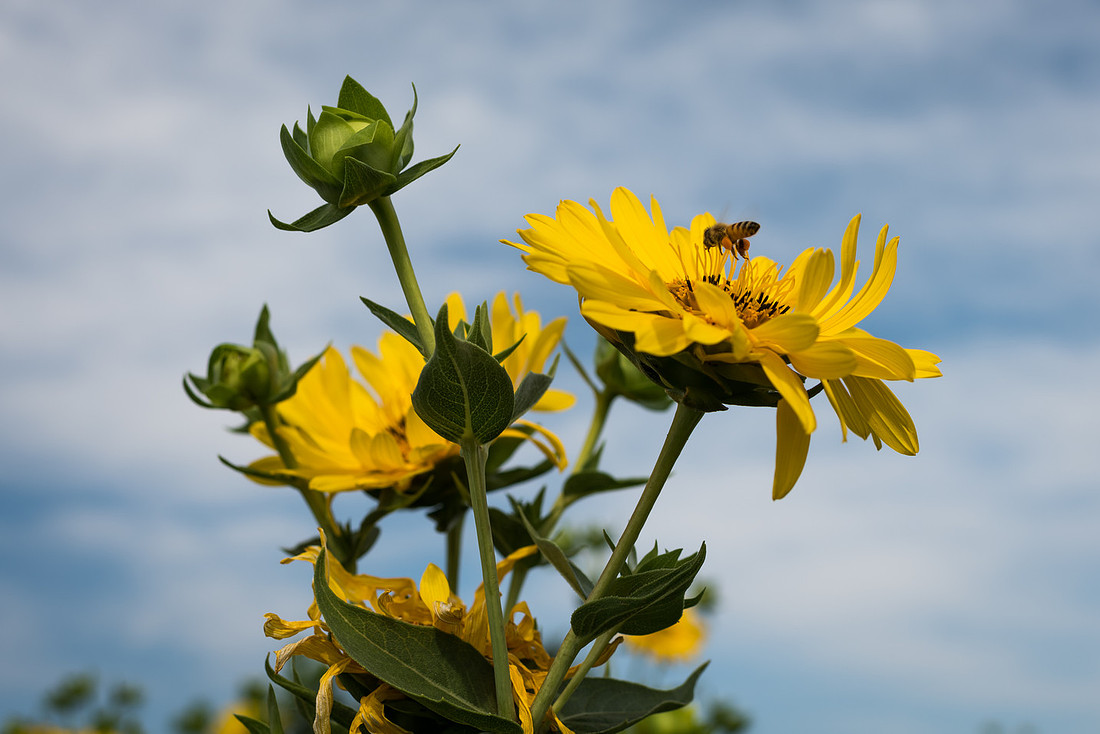
A bumblebee feeds on the nectar of a silphium flower in a plant breeding plot at The Land Institute in Salina, Kan. Scientists at the institute are domesticating silphium, which has high drought tolerance, as a perennial oilseed crop.
Asawa Sculptures
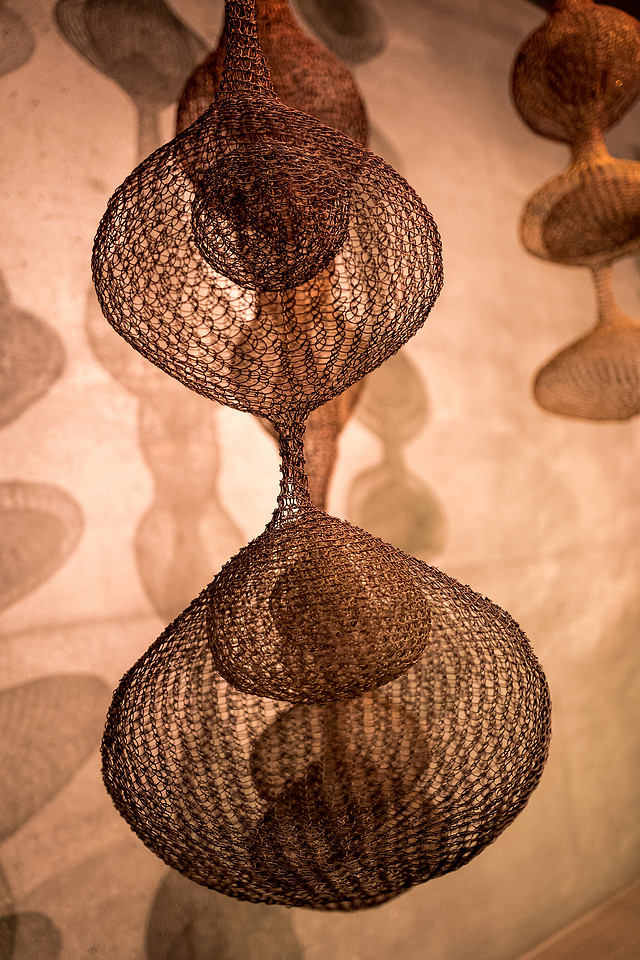
Hanging wire sculptures created by San Francisco artist Ruth Asawa are displayed at the De Young Museum in San Francisco. Asawa was inspired to focus her work on such sculptures by wire baskets she saw being created in Mexico in the 1940s. She used iron, copper and brass wire to create the pieces.