Scenes, Framed in White
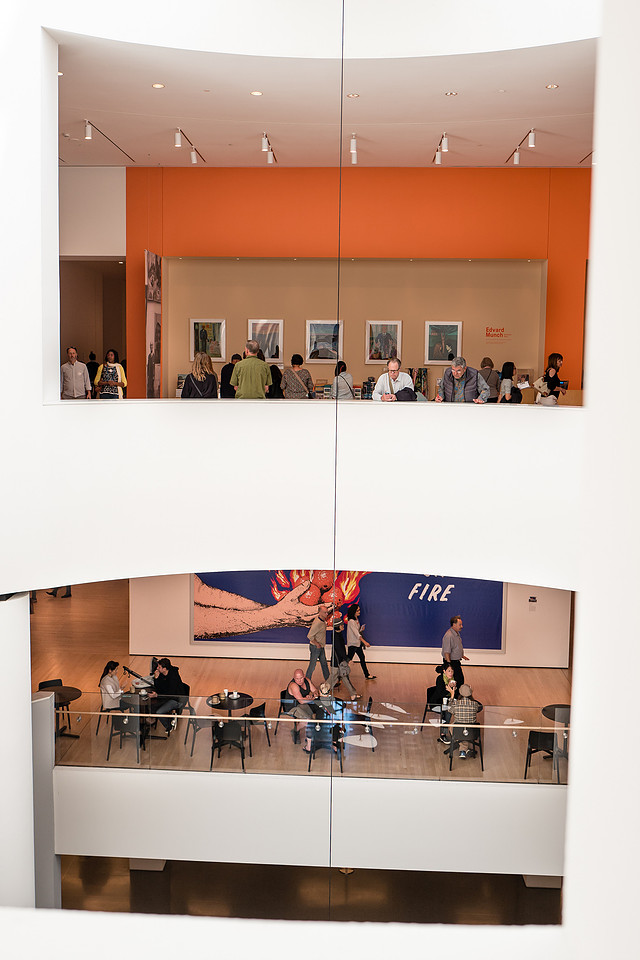

The architecture of the San Francisco Museum of Modern Art, recently renovated, is itself an artistic work. The atrium offers framed views of multiple floors.
No. 14

Visitors at the San Francisco Museum of Modern Art sit before a Mark Rothko oil painting, titled "No. 14, 1960." Rothko, who died in 1970, painted in New York City and was a pioneer in what became known as Colorfield Painting.
Ethereal View
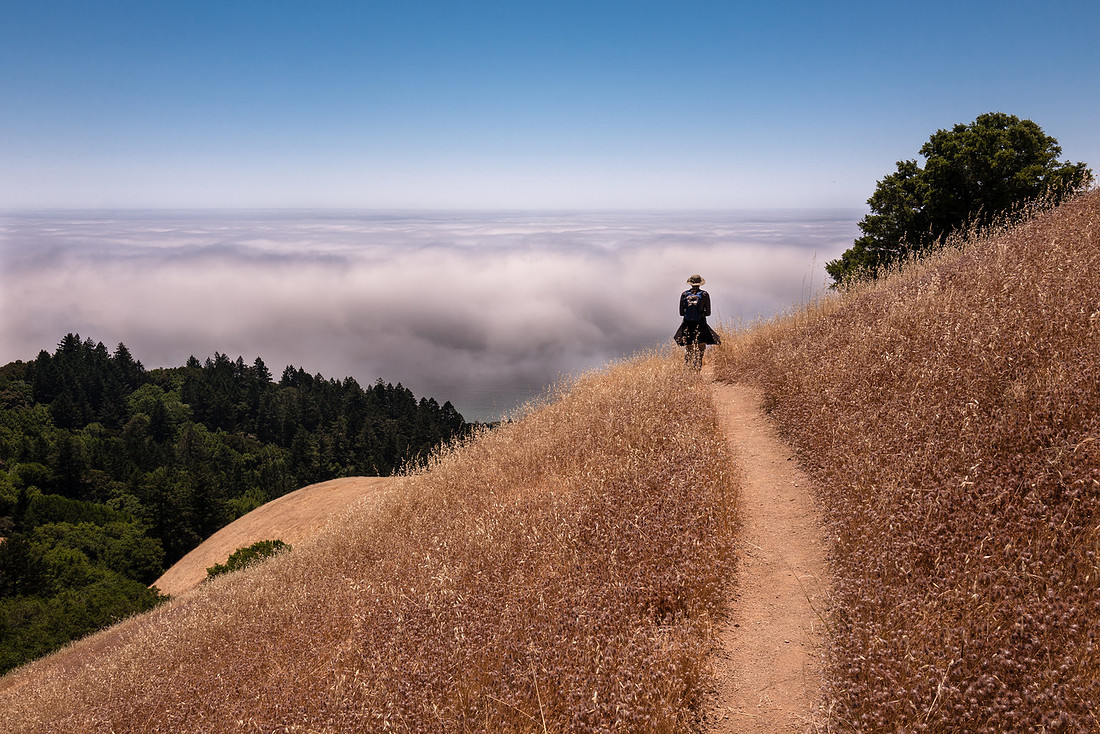
Clouds have rolled in below the peak of Mount Tamalpais, obscuring the view below of the San Francisco skyline, the Pacific Ocean and San Francisco Bay. Mount Tamalpais has a peak of 2,571 feet and is the focal point of Mount Tamalpais State Park above the town of Mill Valley in northern California. The 6,300-acre park includes more than 60 miles of hiking trails that course the grassland hills and deep ravines. But the park also draws many cyclists who accept the challenge of the steep, twisty paved roads to the summit.
Leaving The Field
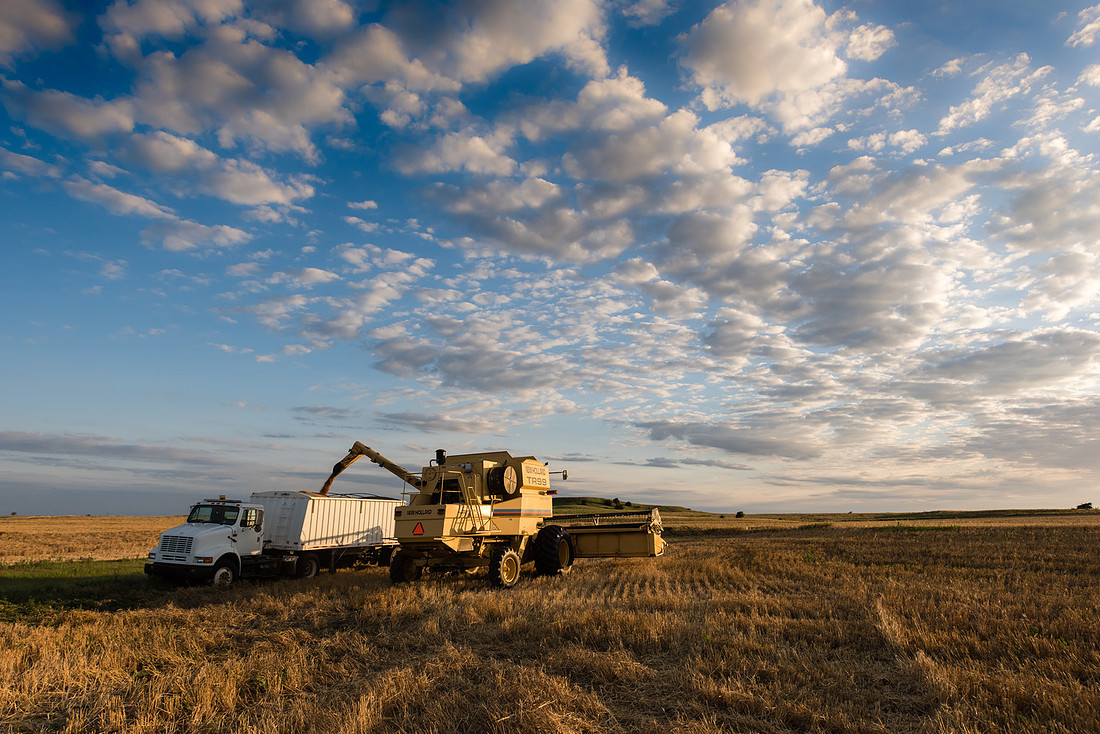
Harvested wheat is moved from the combine bin to a semi-trailer truck for transport to a grain elevator at Ellsworth, Kan. This field, farmed by Josh Svaty, is south of Ellsworth.
Cutting Corners
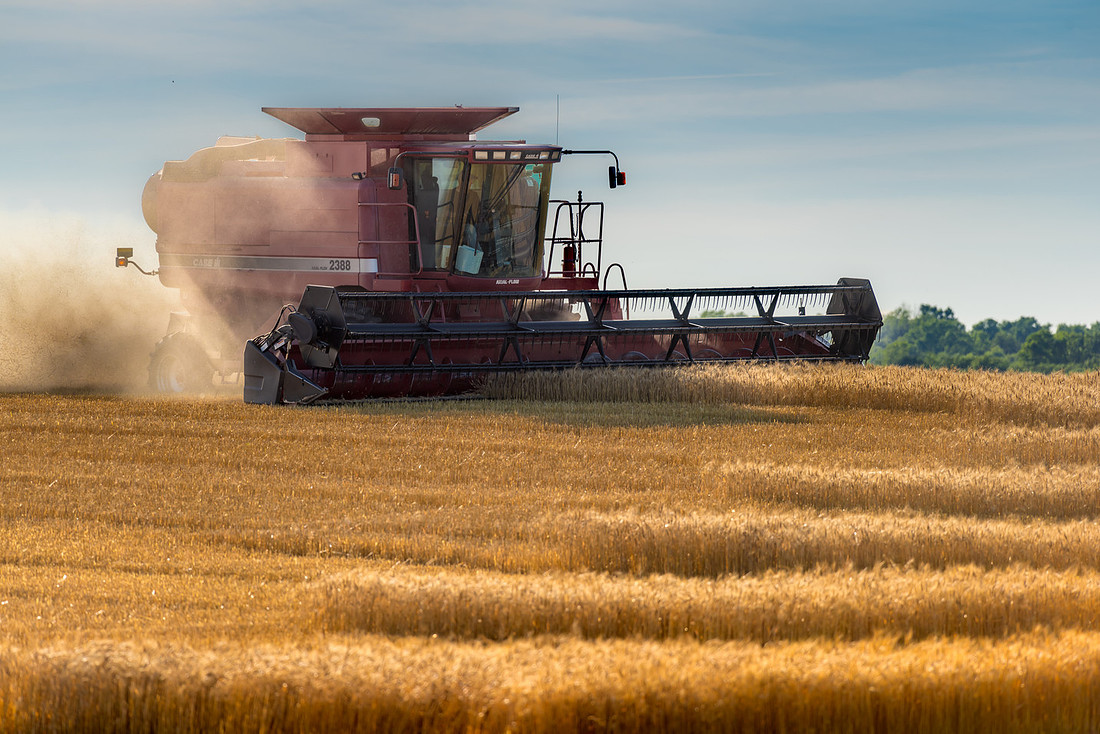
Brad Windholz guides a combine through small patches of uncut wheat on his son Logan's farm in Ellsworth County. The patches were left standing when the combine turned corners in the field.
Cleaning Up
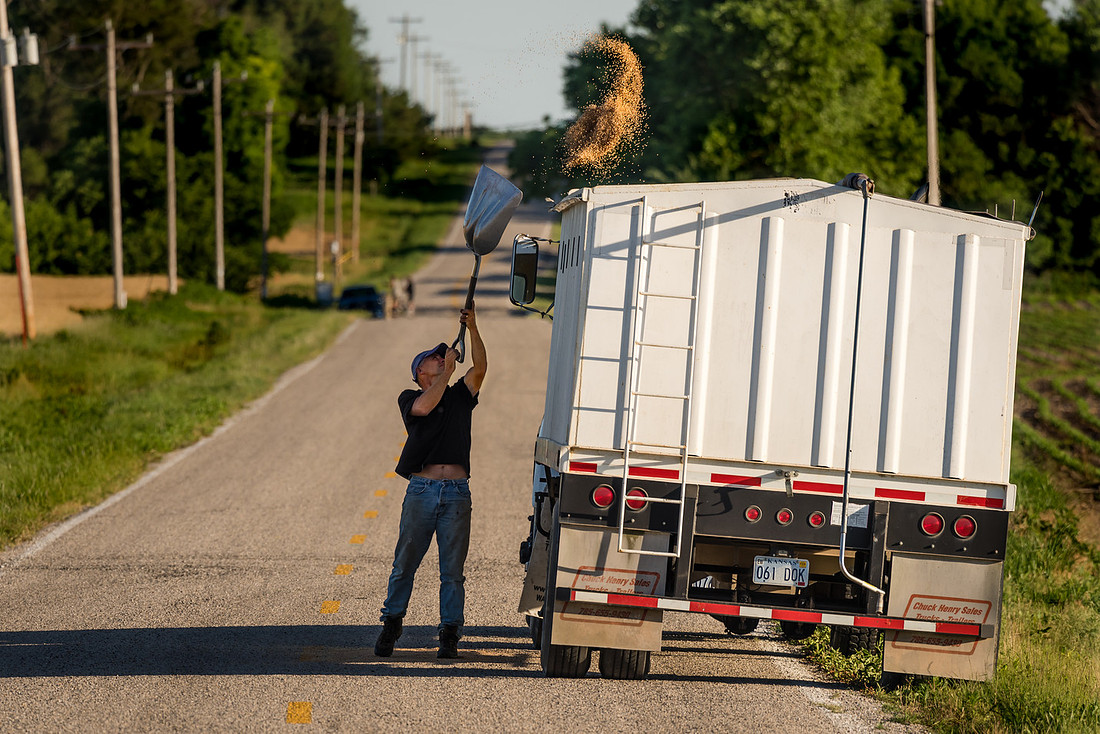
Brad Windholz scoops a bit of spilled wheat from roadway to truck. The grain, harvested on his son Logan's farm in Ellsworth County, was spilled during the transfer from grain cart to truck.
Milkweed Patrol
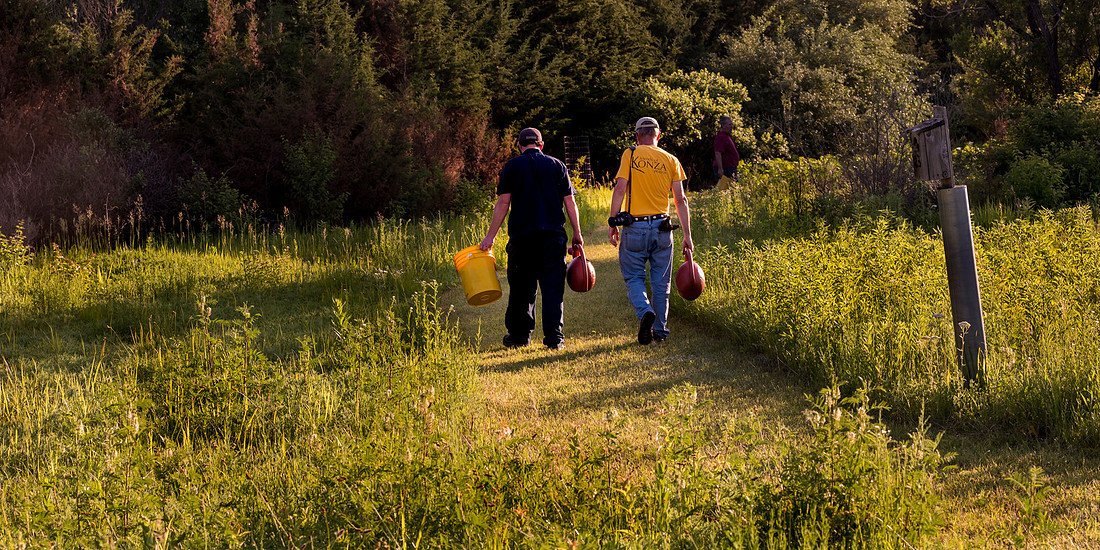
Carrying watering cans and a bucket of mulch, Jason Alfonso and Mark Neubrand, members of the Smoky Hills Audubon Society, walk the trails of the organization's wildlife refuge to care for newly planted milkweed. The milkweed was donated to the Salina-based chapter by Monarch Watch, a nonprofit organization based at the University of Kansas that is dedicated to improving habitat for the Monarch bufferfly.
Clouds at Last Light
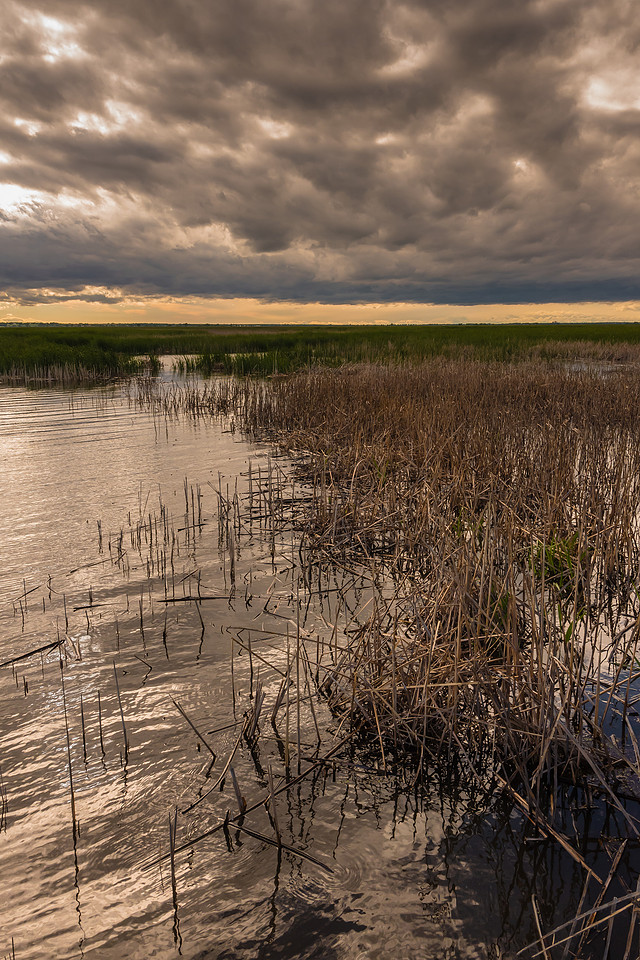
As the day draws to a close, clouds roll in over Cheyenne Bottoms, a central Kansas wetlands near Great Bend.
Digging Deep
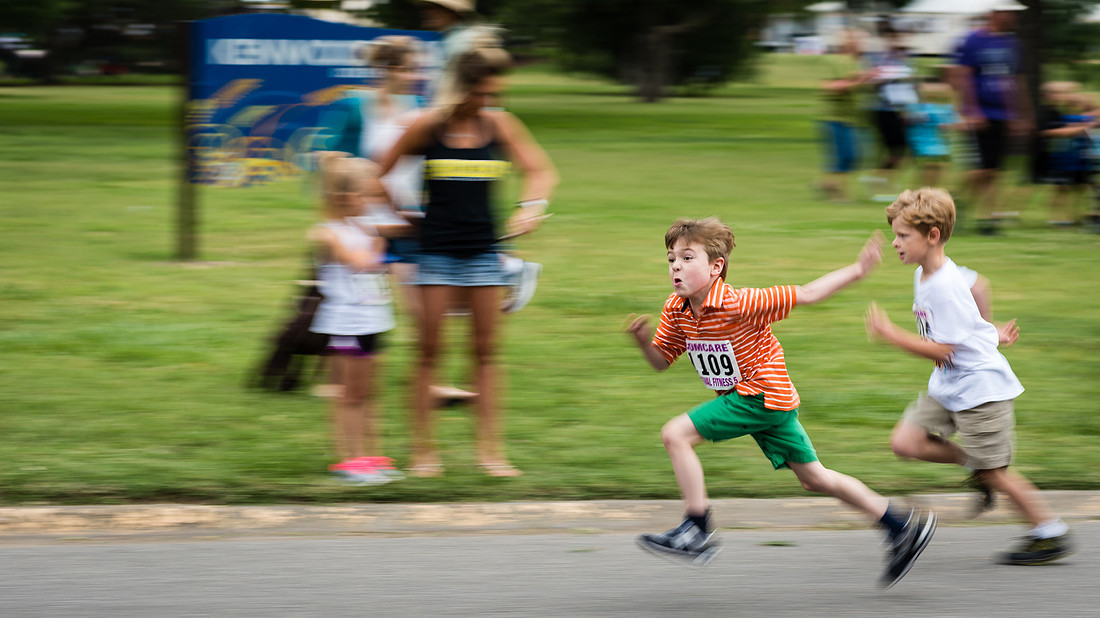
A 7-year-old boy, sporting a determined look, sprints to the finish line of a children's race at the Smoky Hill River Festival in Salina, Kan. Besides races for children as young as 1 year old, the Festival Fitness Five event included 5-mile and 2-mile runs for runners of dedication, or not. The races, which drew more than 600 participants, are a traditional part of the four-day festival in Oakdale Park that celebrates the arts.
Top Billing
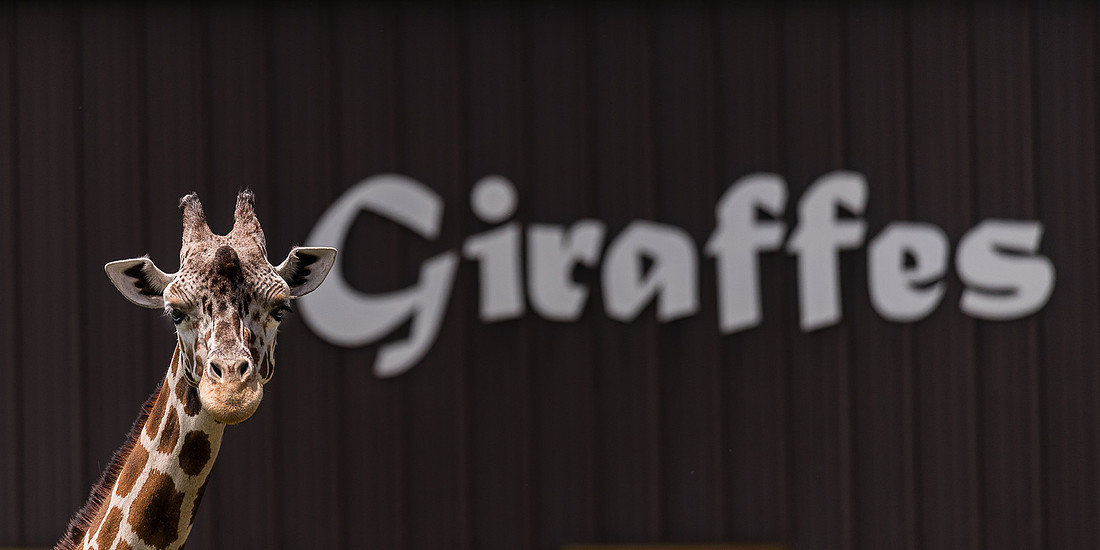
Being plenty tall enough, a giraffe opts to embellish a sign, high over his barn door, that announces the giraffe exhibit at the Rolling Hills Zoo west of Salina, Kan. The zoo, founded by the late Charlie Walker and opened in 1999, is operated by a private, nonprofit foundation and dedicated to the conservation of exotic and endangered animals.
Together Again
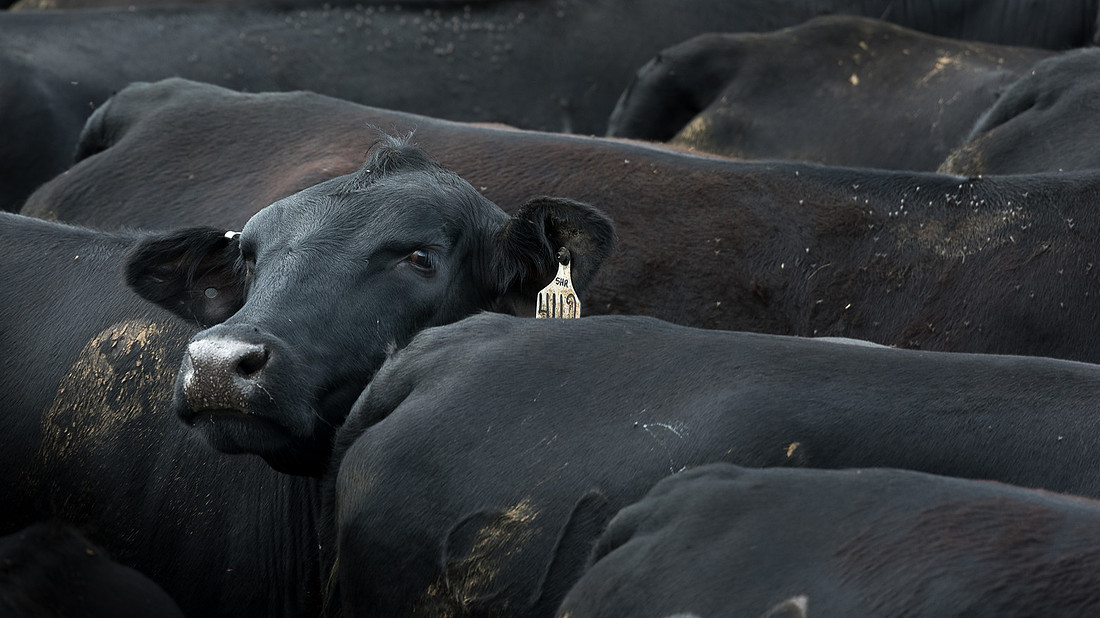
Although they have a large tallgrass prairie to roam, these cattle are bunched tightly in a low and muddy portion of their pasture, likely seeking relief from a persistent nemesis — heel flies. Adult female heel flies glue their eggs on the hair of host animals, and their preference is the hind legs of cattle. When the larvae emerge a few days later they burrow to the base of the hair, penetrate the skin of their host, open a breathing hole in the skin, and settle in for nearly a year as a parasite. Come next spring, they’ll burrow back to the skin, and plop to the ground where they pupate as an adult fly.
This process is a serious irritant for cattle. They bunch together to seek refuge from the insects and sometimes find water to stand in to protect their legs. Their distress subsequently can be reflected in significant economic loss to ranchers. Those losses include reduced weight gain, hide damage and damage to tissue (meat) that leads to lower prices at the packing plant. Insecticides can provide relief to both the animals and ranchers.
This herd, west of Alma in Wabaunsee County, includes many calves just a few days old. But they aren’t part of the bunching. They’ve drifted to the periphery to keep from being trampled.
Watchful Gull
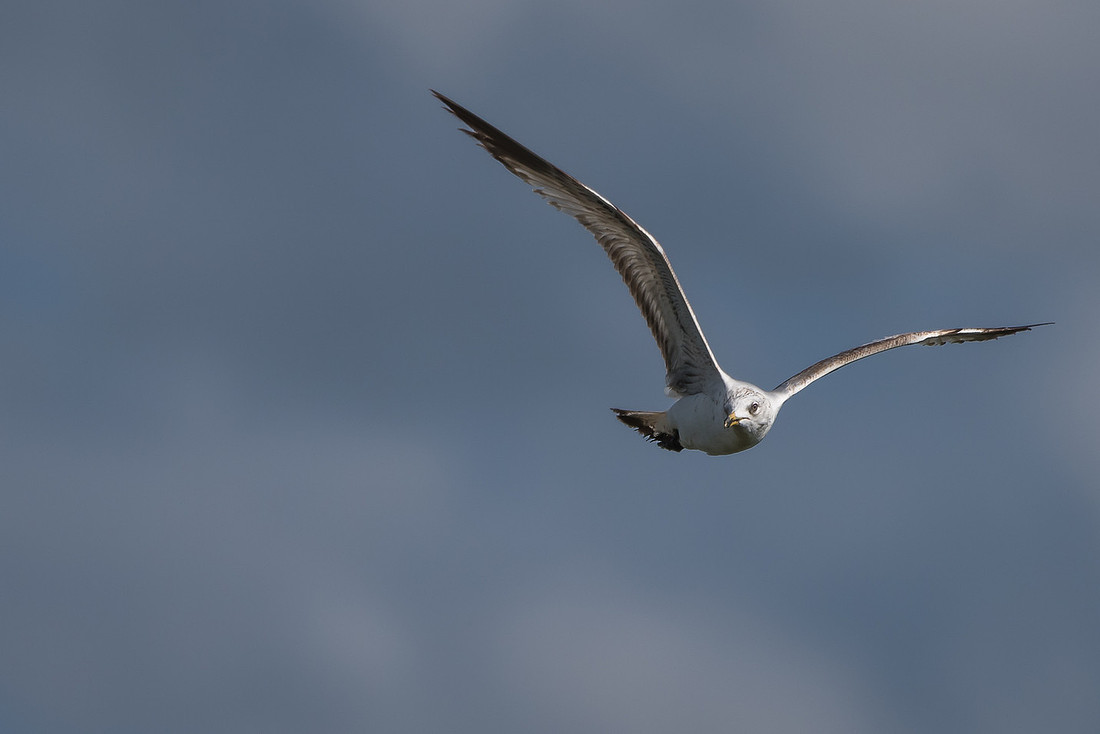
A ring-billed gull patrols the waters of the Cheyenne Bottoms wetlands northeast of Great Bend, Kan.The marsh, nearly 20,000 acres and owned by the state, attracts a wide variety of migratory and resident birds. Ring-billed gulls are abundant, especially in the spring and fall.